There are a number of strategies used to manage blood pressure, however as you may or may not already know the foods you eat can help or hurt your blood pressure particularly if you are suffering from high blood pressure. Studies show that these foods below are all recommended by the Dash Diet, “Dietary Approaches to Stop Hypertension” to help control or prevent blood pressure”:
low-fat milk and dairy products, poultry, fish, whole grains, nuts, and
limited intake of sweets, added sugar, sugary beverages, fatty meats, salt and alcohol
As well as high intake of fruits and vegetables
Other blood pressure friendly foods of plant origin such as oats
Foods of plant origin are rich in plant chemicals and nutrients such as potassium, magnesium, vitamin E and vitamin c, folic acid and fiber that help in the effort to reduce blood pressure in hypertensive persons.
Below are 7 plant foods that contribute to your overall effort to maintain blood pressure at normal levels.
1. Beet Root
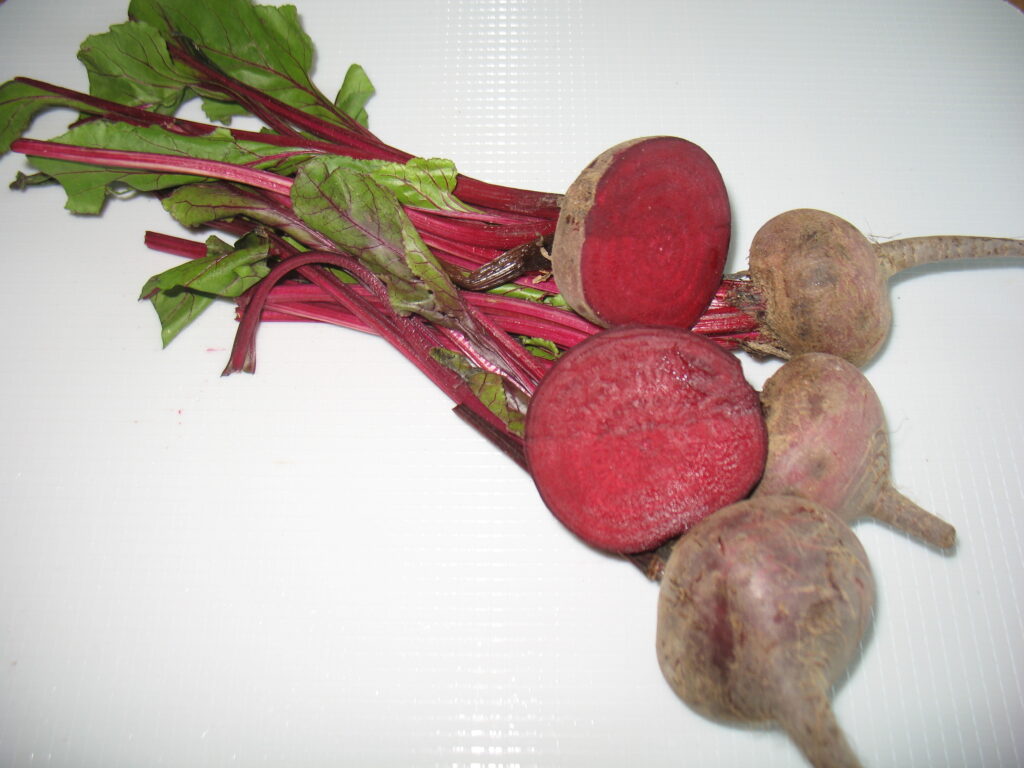
The beet root is a rich source of nutrients and plant chemicals with many health benefits. One such chemical is Nitrate, a substance that contributes to the lowering of blood pressure when beet root or its juice is consumed.
How it works, simply, when the dietary nitrate in the beets mixes with saliva during the chewing process, it changes to another chemical, nitrite, which in turn changes to nitric oxide after being swallowed. Nitric oxide then diffuses to the smooth muscle walls of the blood vessels, causing them to widen for easier blood flow and lower blood pressure.
Consumption of beet root has been shown to lower blood pressure in persons with or without elevated blood pressure.
Note studies show that raw beet juice was more effective in lowering blood pressure in persons with hypertension than cooked beets.
Also note that some factors such age and sex affect how well nitric oxide lowers your blood pressure.
Always check with your medical provider when using foods to help with blood pressure control to avoid medical conflict.
2. Berries
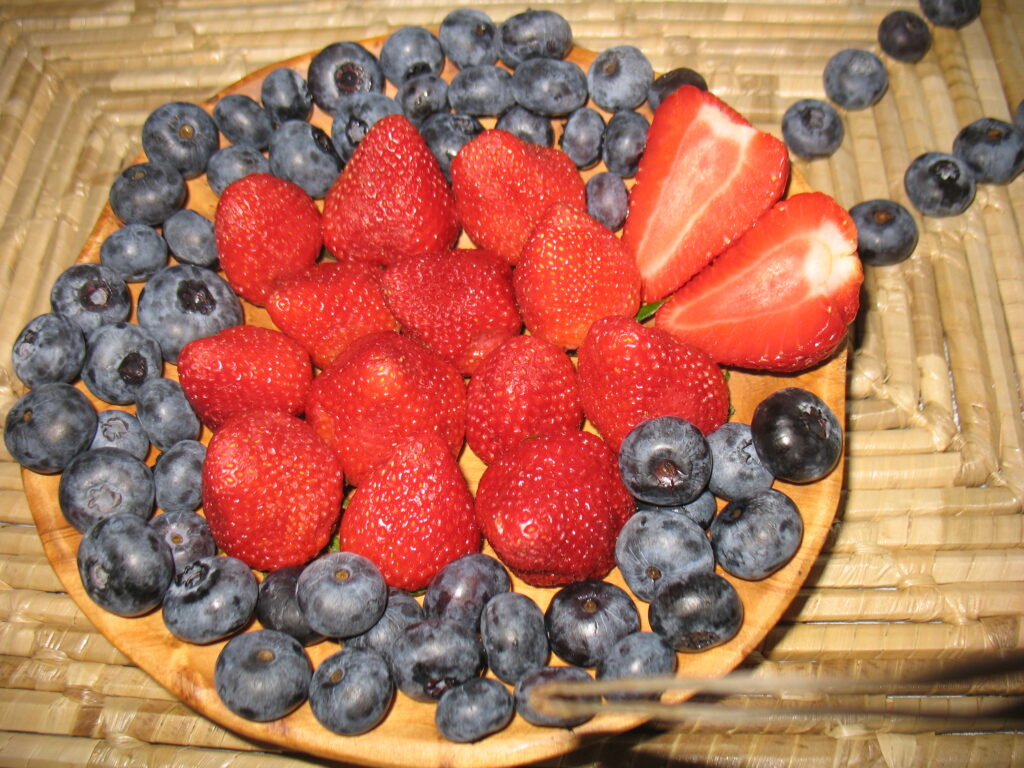
Based on scientific studies, fruits in general are thought to help your body’s blood pressure. One group of fruits that have received a lot of attention is berries, particularly blueberries and strawberries that are most popular. These studies find that berries are very rich in flavonoids such as anthocyanins, flavanones and flavanols, that are mainly responsible for the improvements in blood vessel health and blood pressure, when these berries are consumed.
One study found that a drink made from a blueberry product when consumed by a group of persons, resulted in improvements in their blood pressure measurements. They also found that these improvements were equal to the improvements in blood pressure measurement realized by another group who consumed a drink made with pure anthocyanin. Both drinks contained the same amount of anthocyanin.
Another study found that consumption of cranberry juice reduced the stiffness of the arteries, and hence help blood pressure.
It is important to eat fruits daily and include berries when you are able. 1 to 2 servings of blueberries, strawberries and raspberries, contain approximately 44 mg of anthocyanins.
3. Carrots
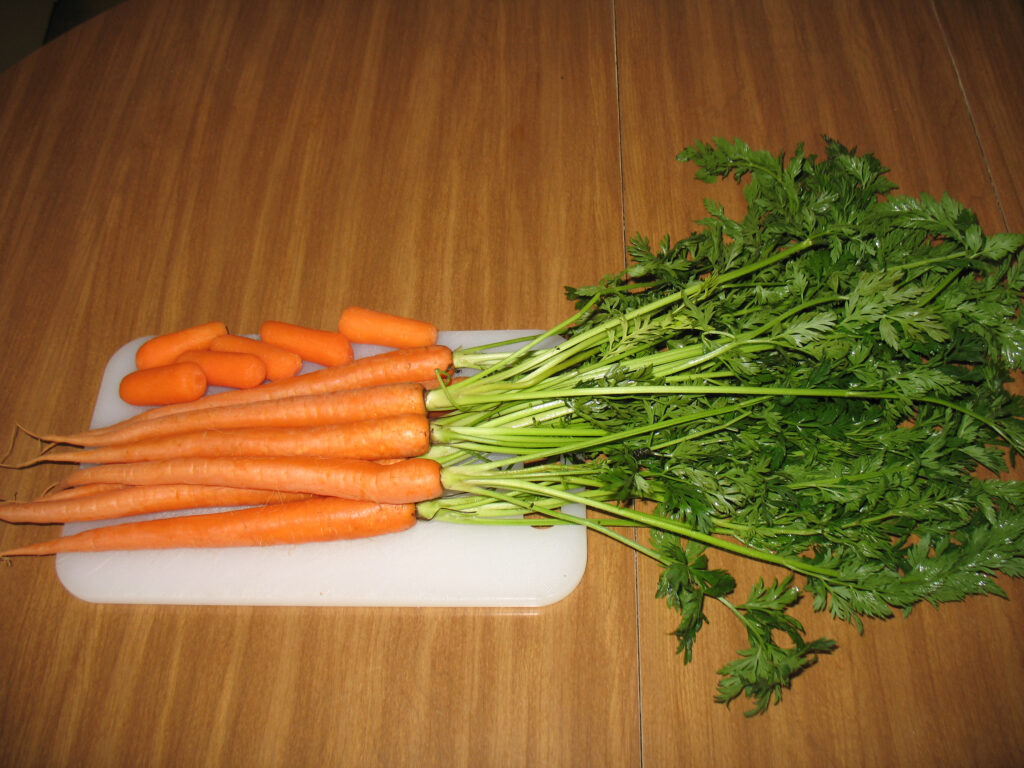
What makes carrots so helpful in the fight against high blood pressure?
Carrots are very rich in carotenoids such as Beta Carotene, alpha carotene, lycopene, Lutein and Zeaxanthin, found in the popular orange carrots.
Many scientific studies show that carotenoids in foods, when consumed, significantly lowers blood pressure in humans and animals. However, some others were unable to get the same results.
Some studies also show that carotenoids in the blood stream reduces the risk of stroke.
“NHANES epidemiological survey” found that alpha and Beta Carotene , lycopene, lutein and zeaxanthin in the blood stream, all present in the orange carrots, significantly lowers the risk of high blood pressure in adults in general.
How Carotenoids help reduce blood pressure? Through multiple ways, such as through their antioxidant activity that counters inflammation, preventing damage to the blood vessels and by enhancing nitric oxide production. Nitric Oxide in turn, relaxes blood vessels resulting in improved blood flow and reduced blood pressure.
Why it is important to eat carrots and similar foods that contain Carotenoids? The human body cannot manufacture carotenoids. You can only get them through your diet. Hence it is wise in general to include foods rich in carotenoids in your diet as they perform many tasks in your body.
4. Bananas

Bananas are very rich in plant chemicals and nutrients that contribute significantly to the health of an individual. Plant chemicals such as flavonoids, carotenoids, phenolic compounds and vitamins and minerals such as potassium, vitamin E and C etc.
Many of these substances help support blood pressure through the antioxidant/anti-inflammatory processes that prevent blood vessel damage and increase blood flow, however, the role that potassium plays in supporting blood pressure is worth noting.
It is well established that people who consume a lot of high sodium foods have higher blood pressure than those who don’t.
The scientific study on The Effectiveness of Banana Juice on Blood Pressure……… found that when hypertensive patients were given banana juice, made either with peeled or unpeeled bananas:
- Both their systolic and diastolic blood pressure decreased significantly.
- That the potassium in the bananas, when consumed counters the effect of sodium in the body, lowering the blood pressure.
- That banana juice therapy could relieve blood pressure without causing the side effects of synthetic drugs that can damage your kidneys.
Note, banana juice can be made from the skin or the peeled fruit. According to one study, “60 g of banana peel dissolved in 250 mL water was effective to reduce blood pressure in adult women.
Eating bananas, drinking banana juice or consuming other banana products will help to lower your blood pressure.
Please note, if you are being treated for high blood pressure check with your medical provider before making changes to your diet to avoid medical conflict. Your blood potassium level is critical to your health and could be affected by other factors.
5. Oats
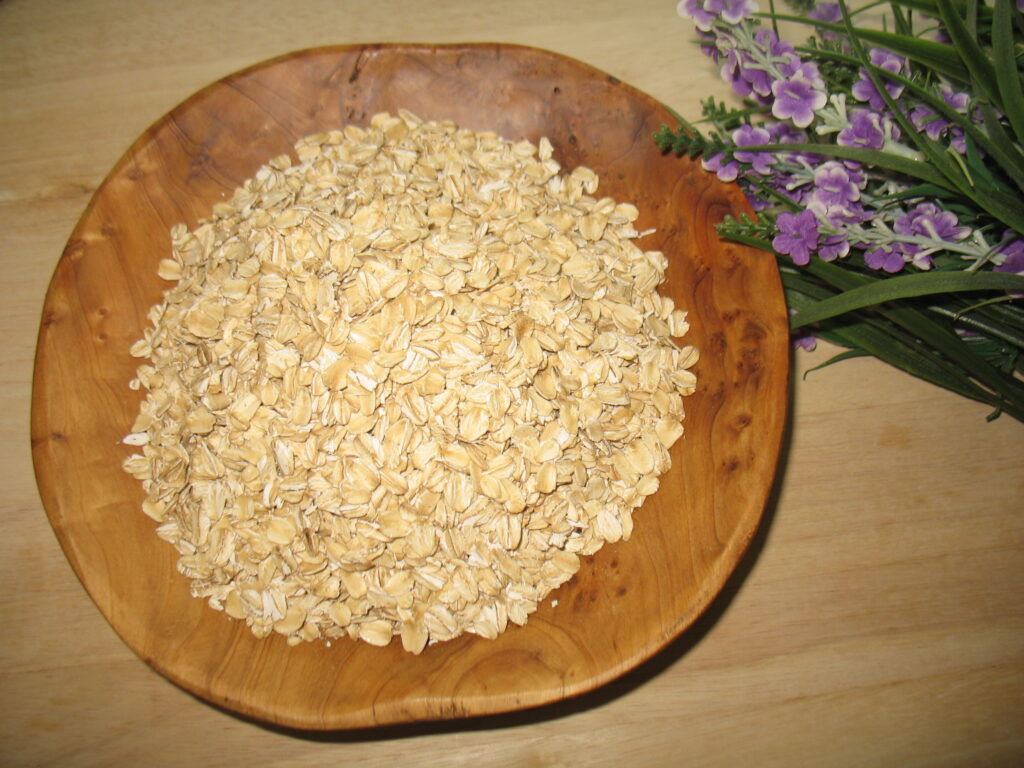
Oats compared to other cereals possess an abundance of nutrients and plant chemicals that contribute significantly to human nutrition and wellbeing. Nutrients such as protein, fat, vitamins, minerals and beta glucan, a type of soluble fiber and plant chemicals such as avenanthramides, AVAs for short.
When oatmeal is consumed, Some of these substances, directly or indirectly help the body manage blood pressure.
For example, the Avenanthramides a group of substances, 20 different kind is unique to oatmeal and have a very powerful antioxidant capacity up to 30 times that of other cereals and a number of medicinal properties such as anti-inflammatory and vasodilation (widening of blood vessels), that both help your body manage blood pressure.
One study showed that a low-calorie diet containing oatmeal resulted in significant lowering of systolic blood pressure and some weight loss in both males and females, when compared to a similar diet with wheat products instead of oatmeal.
Another study found that oat extract and avenanthramides help to relax the smooth muscle cells of the blood vessels to ease blood flow and blood pressure.
Oats are high in linoleic acid, a polyunsaturated fat and low in saturated fat which helps reduce the risk of blood vessels related disease.
“There is some evidence that linoleic acid improves insulin resistance and blood pressure.”
Eat your oats in whatever form you prefer, oatmeal porridge, oat milk, oat bread etc. Just eat it. Unless of course you have a medical reason not to eat it.
6. Pomegranate
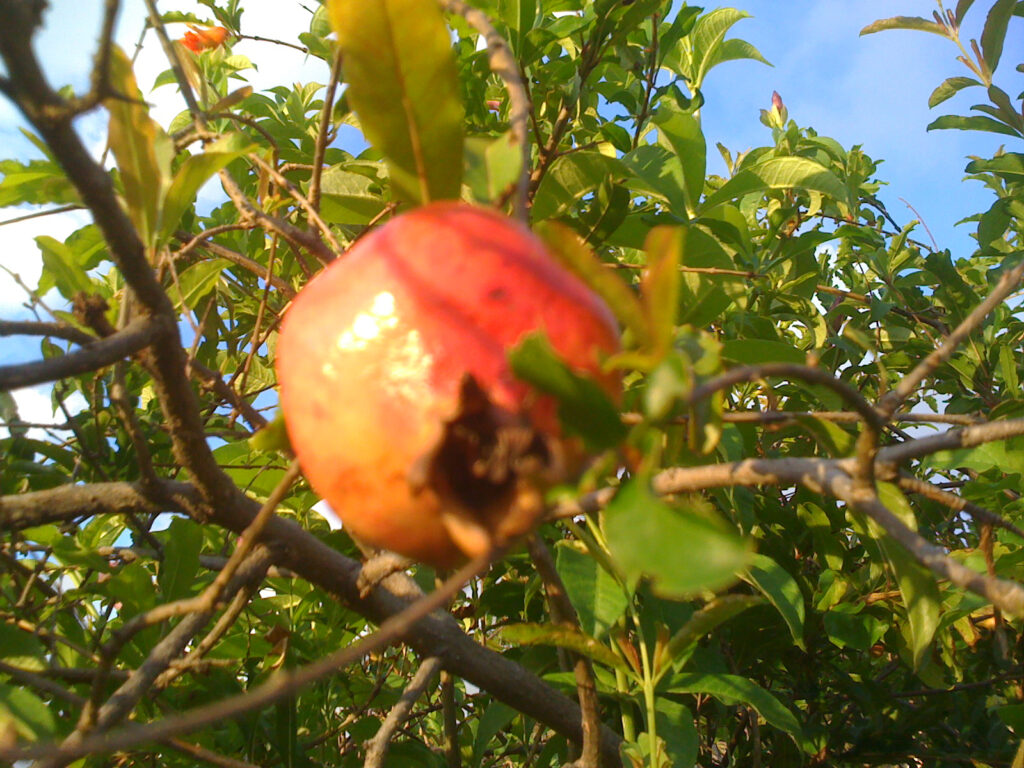
The pomegranate is a highly valued fruit dating back to biblical times, where it is mentioned in Deuteronomy 8:8 as one of the fruits in the promise land. “that good land”. It has been used for centuries in traditional medicine and is widely researched in recent years for the medicinal properties of its fruit and juice.
It is very rich in plant chemicals, such as flavonoids that includes anthocyanins, catechins, quercetin, and rutin as well as other types of polyphenols and vitamins that gives the pomegranate its powerful antioxidant and anti-inflammatory capacity.
It is these antioxidant and ant-inflammatory properties, along with the ability of these chemicals to inhibit the angiotensin-converting enzyme, ACE for short that make the pomegranate so beneficial in lowering blood pressure.
The angiotensin-converting enzyme, (ACE) in the body among other things, causes blood vessels to narrow making blood flow more difficult and hence increase blood pressure. Scientists found that there are substances in the pomegranate with names such as punicalin and gallic acid that “inhibits” this enzyme’s activity causing the blood vessels to relax, allowing better blood flow and lower blood pressure.
These chemicals in pomegranate works the same way as some well – known medications called ACE inhibitors. No wonder then that the pharmacology industry is looking to the chemicals in food as alternative treatment without adverse side effects.
Several studies showed that pomegranate juice when consumed lowers both systolic and diastolic blood pressure in both healthy and hypertensive persons (persons suffering from high pressure).
Again no one food can be relied on to treat blood pressure. Always include all of the non-food strategies, but above all if you are being treated for high blood pressure discuss any diet changes with your medical provider.
7. Green leafy Vegetables
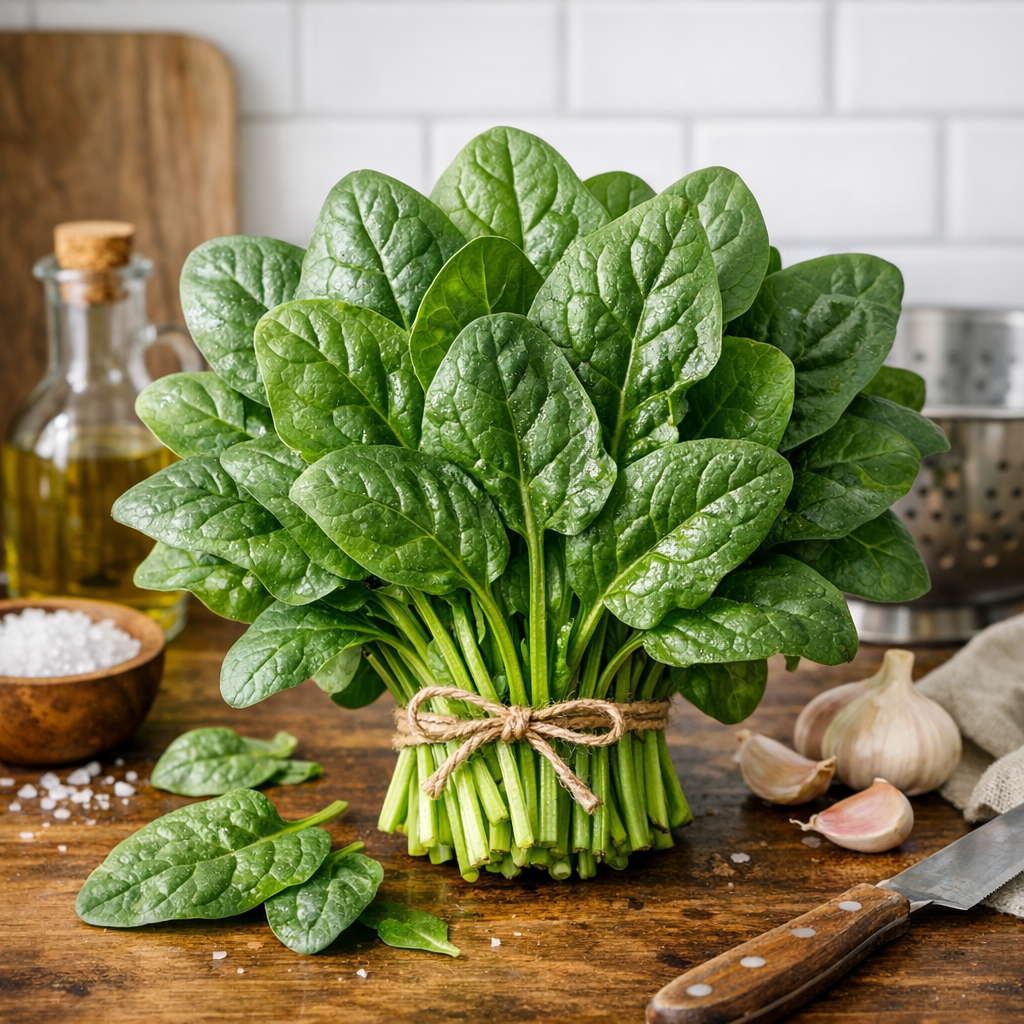
Green leafy vegetables such arugula, certain types of lettuce, spinach, kale, Pak choy have high levels of dietary nitrate which is found by multiple studies to help to lower blood pressure when these vegetables are consumed.
How this works. When, the nitrate contained in these vegetables mixes with the saliva, it changes from Nitrate to Nitrite . Once the nitrite is swallowed and makes its way to the blood stream, it changes to nitric oxide. Nitric oxide then helps to lower blood pressure by relaxing the blood vessels allowing blood to flow more freely.
Some Leafy vegetables such as spinach, beet greens, kale, pack choy also contain high or medium high amounts of potassium. “High quality evidence shows that increased potassium intake reduces blood pressure in people with hypertension”
The reason, potassium helps the body excrete excess sodium. It also helps the blood vessels to relax, allowing the blood to flow more freely and so lowers blood pressure.
Please note, if you are suffering from kidney disease or potassium related medical problems, consult with your medical provider before increasing the potassium content of your diet.
Note also that plant chemicals in individual foods will help to lower blood pressure but cannot be relied on as the sole cure. It is wise to follow all the dietary and non-dietary guidelines for treating high blood pressure simultaneously and include a variety of fruits and vegetables in your daily meals.
The information contained in this blog is general information based on scientific studies. If you are suffering from a medical condition, consult your medical provider before making any changes to your diet, to avoid medical conflict.
Ionie Ponde, MS, RD, LDN
B Food Savvy 
References:
- Liping Chen, Yuankang Zhu, zijing Hu, Shengjie Wu, Chengtao Jin, September 9the, 2021, “Beetroot as a functional food with huge health benefits: Antioxidant, antitumor, physical function, and chronic metabolomics activity”, Food Sci Nutr, PMCID: PMC8565237 PMID: 34760270.
- Bangar, Nitya Sharma, Nikita Sanwal, Jose M. Lorenzo , J.K. Sahu, August 2022, “Bioactive potential of beetroot (Beta Vulgaris)”, Health Research International, https://doi.org/10.1016/j.foodres.2022.111556Get rights and content
- Daniela Martini, Mirko Marino, Samuele Venturi, Massimiliano Tucci, Dorothy Klimis-Zacas, Patrizia Riso, Marisa Porrini, Cristian Del Bo, January 2023, Blueberries and their bioactives in the modulation of oxidative stress, inflammation and cardio/vascular function markers: a systematic review of human intervention studies, The journal of Nutritional Biochemistry Vol 111, https://doi.org/10.1016/j.jnutbio.2022.109154Get rights and content
- Leailin Huang, Di Xiao, Xuhuiqun Zhang, Amandeep K Sandhu, Preeti Chandra, Colin Kay, Indika Edirisinghe, Britt Burton-Freeman, June, 2021, Strawberry Consumption, Cardiometabolic Risk Factors, and Vascular Function: A randomized Controlled Trials in Adults with Moderate Hypercholesterolemia, The Journal of Nutrition Vol 151, Issue 6, pages 1517-1526, https://doi.org/10.1093/jn/nxab034Get rights and content
- Stefano Vendrame, Tolu Esther Adekeye, Dorothy Klimis-Zacas, June 29th, 2022, The Role of Berry Consumption on Blood Pressure Regulation and Hypertension: An Overview of the Clinical Evidence, Nutrients 2022, https://doi.org/10.3390/nu14132701
- Firoozeh Abbasiana ∙ Mohaddeseh Sadat Alavib ∙ Ali Roohbakhsh, September 2023, “Dietary carotenoids to improve hypertension”, Open Access Volume 9, Issue 9e19399. PMID: 37662767
PMCID: PMC10472253 - 1Fitri, Y., 1Suryana, S., 1*Ahmad, A., 1Hendra, A., 1Fitrianingsih, E., 1Arnisam and 2Yunianto, A.E.1 Department of Nutrition, Aceh Health Polytechnic, Ministry of Health, Aceh Besar, 23352, Indonesia, 2Department of Chemistry, Faculty of Health Science, Siliwangi University, Tasikmalaya 46115, Indonesia, June 2022, “Effectiveness of banana juice (Musa acuminata Linn.) on blood pressure, blood sugar levels, and low-density lipoprotein in elderly “, Food Research 6 (3) : 239 – 244, https://www.myfoodresearch.com DOI: https://doi.org/10.26656/fr.2017.6(3).213
- Ngoc Duc Vu, Nguyen Trinh Thi Nhu Hang, Kieu Dang Quynh Mi, Nguyen Huu Thuan Anh, Binh An Pham, May 2025 102594, “Exploring the nutritional composition, physicochemical properties, and biological characteristics of mature banana varieties (Musaceae), Food Chemistry: X, https://doi.org/10.1016/j.fochx.2025.102594Get rights and content
- Getaneh Firew Alemayehu, Sirawdink Fikreyesus Forsido, Yetenayet B. Tola, Endale Amare, July 17th, 2023, Nutritional and phytochemical Composition and Associated Health Benefits of Oat (Avena sativa) Grains and Oat-Based Fermented Food Products, Open Access, https://doi.org/10.1155/2023/2730175
- DeAnn J. Liska, ElHadji Dioum, Yifang Chu, Eunice Mah, Consultant, Ridgefield, WA 98642, USA 2022WA 98642, USA, PepsiCo R&D Health & Nutrition Sciences, Chicago, IL 60607, USA, Biofortis Research, Addison, IL 60101, USA, , November 11th, “Narrative Review on the Effects of Oat and Sprouted Oat Components on Blood Pressure”, Nutrients 2022, 14(22), 4772, https://doi.org/10.3390/nu14224772
- Christian community Bible, Catholic Pastoral Edition, 39th Edition, Claretian Publications
- Amirhossein Sahebkar, Claudio Ferri, Paolo Giorgini, Simona Bo, Petr Nachtigal, Davie Grassi, January 2017, Effects of pomegranate juice on blood pressure: A systematic review and meta-analysis of randomized controlled trials, pharmacological research vol 115, Pages 149-161 https://doi.org/10.1016/j.phrs.2016.11.018Get rights and content
- Md Yousof Ali Susoma Jannat Mun Seog Chang, August 2nd, 2023, Discovery of Potent Angiotensin-Converting Enzyme Inhibitors in Pomegranate as a Treatment for Hypertension, J Agric Food Chem, DOI: 10.1021/acs.jafc.3c02115
- Sedigheh Asgary , Amirhossein Sahebkar, Mohammad Reza Afshani, Mahtab Keshvari, Shaghayegh Haghjooyjavanmard, Mahmoud Rafieian-Kopaei, November 2013, Clinical investigation of the acute effects of pomegranate juice on blood pressure and endothelial function in hypertensive individuals, NLM database, PMCID: PMC3933059 PMID: 24575134
- Nancy K. Sweitzer, MD, PhD Author Info & Affiliations, July 22, 2003,What Is an Angiotensin Converting Enzyme Inhibitor? Circulation, volume 108, no. 3, https://doi.org/10.1161/01.CIR.0000075957.16003.07
- Ann Ashworth and Raul Bescos, May 17th, 2017, Dietary nitrate and blood pressure: evolution of a new nutrient? Cambridge University Press, Nutr Res Rev December, 2017, PMID: 28511731 DOI: 10.1017/S0954422417000063
- Nancy J Aburto 1, Sara Hanson, Hialy Gutierrez, Lee Hooper, Paul Elliott, Francesco P Cappuccio, April 2013, Effect of increased potassium intake on cardiovascular risk factors and disease: systematic review and meta-analyses, BMJ, PMID: 23558164 PMCID: PMC4816263 DOI: 10.1136/bmj.f1378
- Ryan J. Chan, Namrata Parikh, Sumaiya Ahmed, Marcel Ruzicka , and Swapnil Hiremath, August 29th, 2023, Blood Pressure Control Should Focus on More Potassium: Controversies in Hypertension, Hypertension Vol 81. No. 3, https://doi.org/10.1161/HYPERTENSIONAHA.123.20545