Backed by Science
Vegetables contain an abundance of plant chemicals also known as phytochemicals with antioxidant and anti-inflammatory properties that help the body fight inflammation and pain. When the body is injured, the body automatically respond with inflammation as part of the healing process. Once healed, inflammation goes away and the body goes back to normal. However, there are times when things run a mock and inflammation hangs on for a long time that is becomes chronic. In chronic inflammation, unstable chemicals known as free radicals increase in numbers that overwhelm the body’s natural antioxidants that keep them in check, causing prolonged inflammation. In these cases, antioxidant and anti-inflammatory compounds from foods eaten can help with the fight to neutralize these and restore balance. Below are 7 vegetables that are rich in these chemicals, making them powerful agents in the fight against inflammation.
Beets
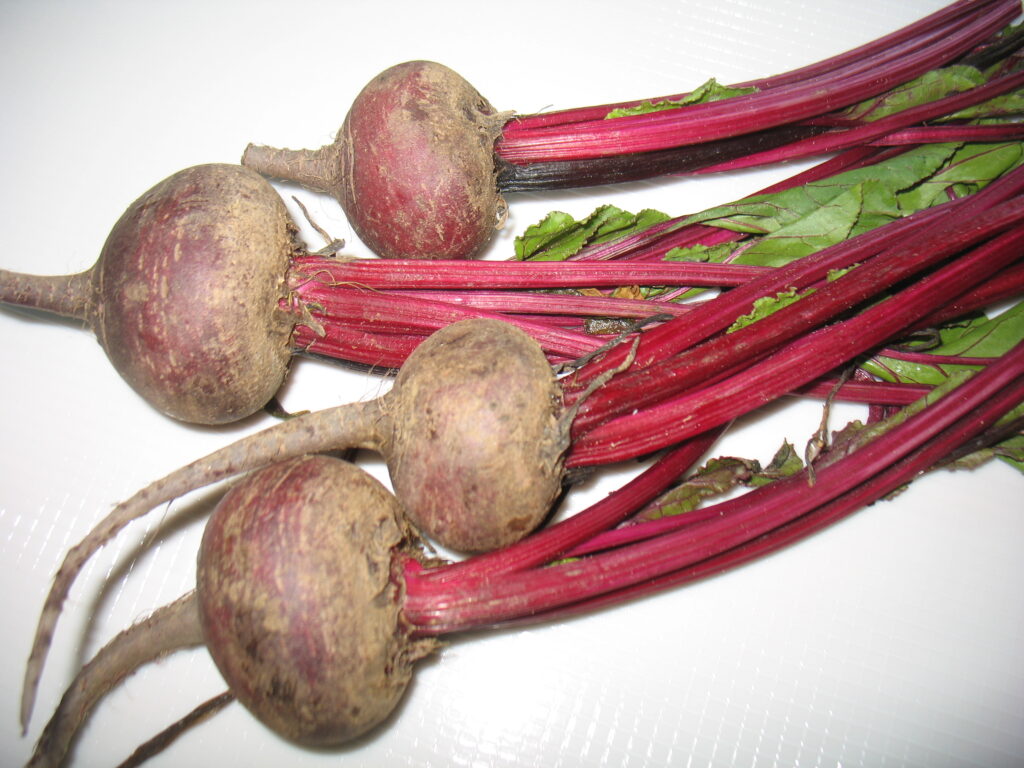
Beet Root, considered a “super food” with one of the most powerful antioxidant-capacity, contains:
- Betalains the substances responsible for the rich red-violet color, have both antioxidant and anti-inflammatory capabilities. They block the COX-2 enzymes and stabilize the free radicals, that both contribute to inflammation. Free radicals are unstable chemical substances.
- Other antioxidants such as phenolics, vitamin C, Vitamin Es, also help the body neutralize the free radicals, that damage cells and tissue resulting in inflammation.
- Nitrates convert into nitric oxide which helps resolve inflammation by suppressing the formation of free radicals and neutralizing them.
Broccoli
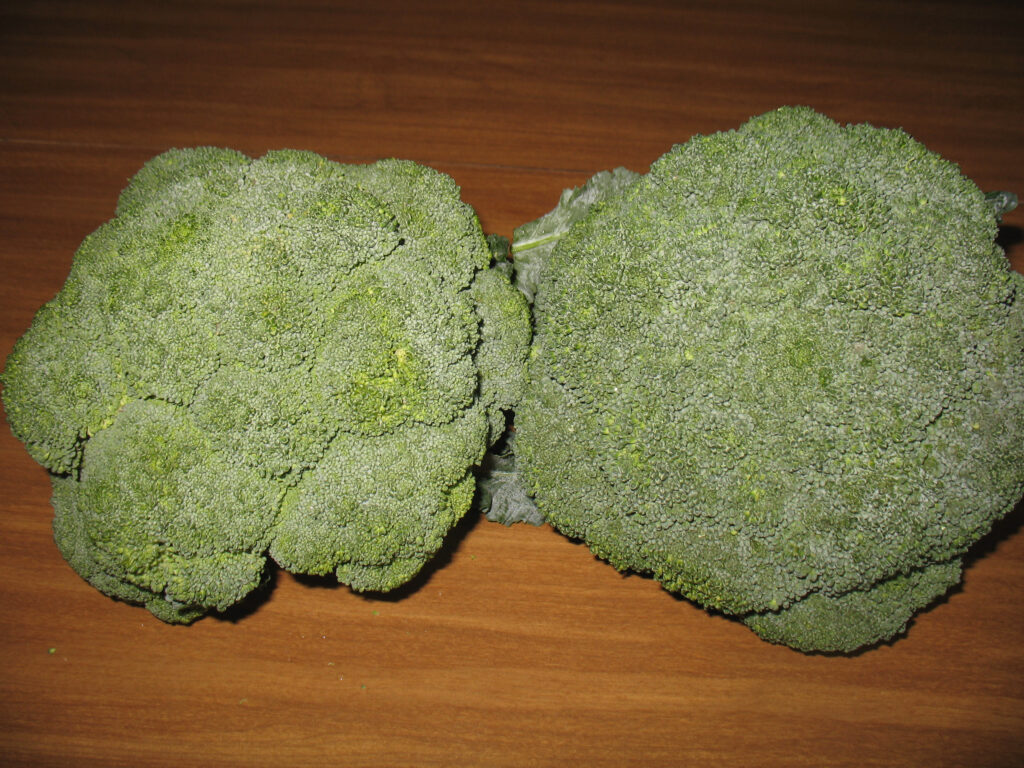
Broccoli is one of the cruciferous vegetables, a group of vegetables that is laden with:
- Glucosinolates the sulfur containing compound responsible for the unique smell and taste of vegetables in that family like broccoli, cabbage, cauliflower and turnip. When broccoli is cooked or chewed, the glucosinolates release sulforaphane a chemical compound which is antioxidant and anti-inflammatory. Sulforaphane counters inflammation by disrupting the production of substances that cause inflammation such as cytokines and help neutralize the free radicals, unstable chemicals associated with inflammation.
- Fiber that helps to promote healthy bacteria in the gut which in turn helps to reduce inflammation. Like other vegetables, Broccoli is rich in fiber.
- Quercetin is another powerful antioxidant, anti-inflammatory that helps reduce inflammation by blocking the production of inflammatory substances and neutralizing free radicals.
Sweet Potato
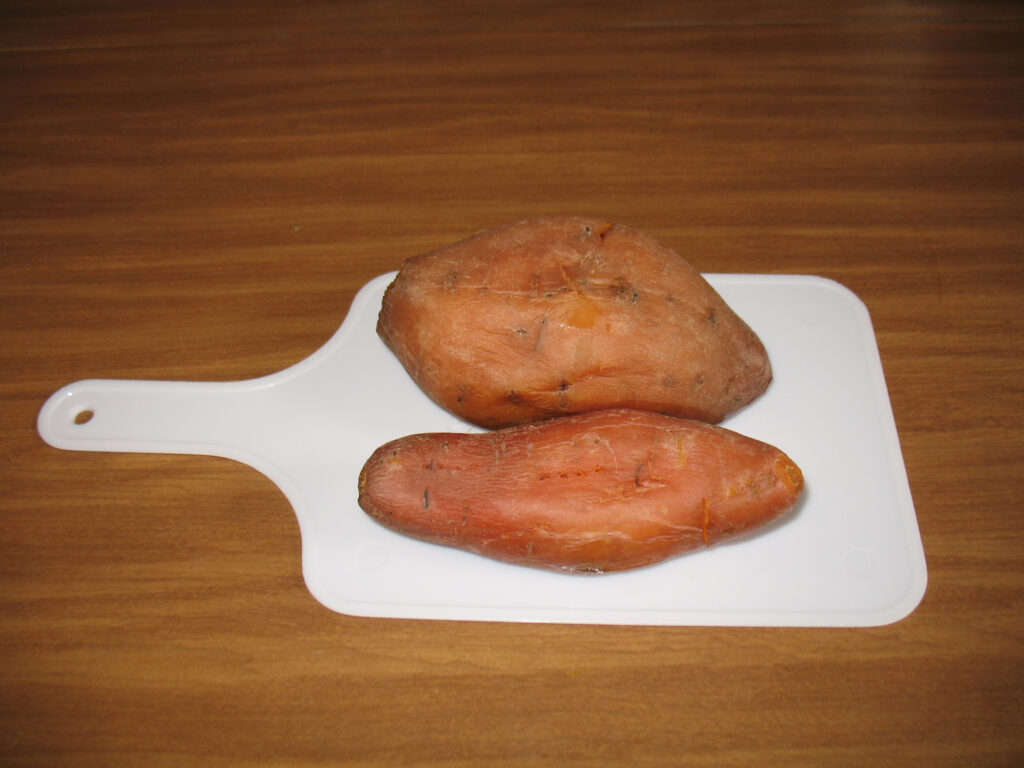
Sweet potato referred to as a”Superfood” by the ‘Centre for Science in the Public Interest’ (CSPI), USA, is rich in substance such as vitamins A and C, fiber, flavonoids, phenolic acids, carotenoids etc., that play a role in fighting inflammation.
- The orange sweet potatoes shown in the photograph, is especially rich in Beta Carotene, which accounts for its orange color. According to the USDA One medium size sweet potato contains 12,581 mg of Beta Carotene, giving it a powerful knock-out punch against the free radicals, unstable chemicals that contributes to inflammation.
- The specific mix of plant chemicals, flavonoids, phenolic acid and carotenoids etc., in the different colored sweet potatoes, white, yellow, orange and purple vary depending on the color, however they all have strong antioxidant properties that help to neutralize the unstable chemical substances (free radicals) that contribute to inflammation.
- The Plant chemicals are present in greater amounts in the unpeeled potato than the peeled potatoes. This is something worth considering. We do eat the skins of baked white potatoes.
- Fiber in sweet potatoes as with other vegetables, contribute to a healthy gut and reduced inflammation.
Spinach
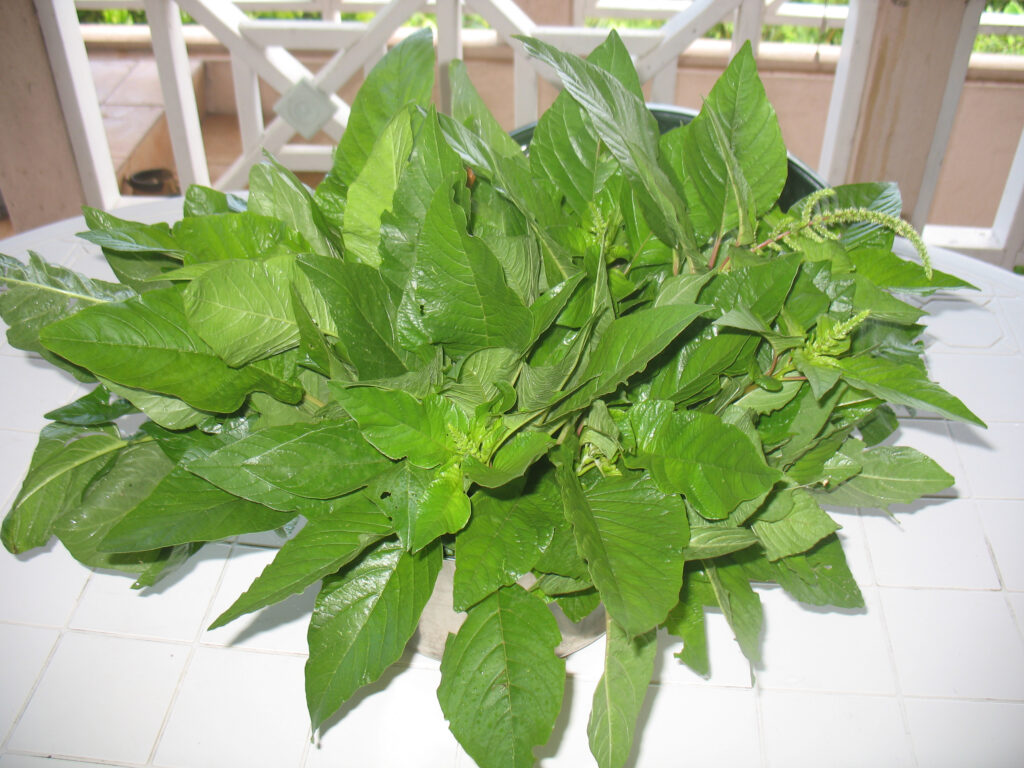
Spinach is rich with bioactive substances such as polyphenols, flavonoids, carotenoids, vitamins C and E, Omega-3 fatty acid and antioxidants that all help fight inflammation .
- As with other vegetables, these substances neutralize the unstable chemical substances (free radicals) that are linked to inflammation.
- Due to the substantial amounts of polyphenols, spinach has a greater capacity to neutralize the free radicals than some other green vegetables.
Carrots
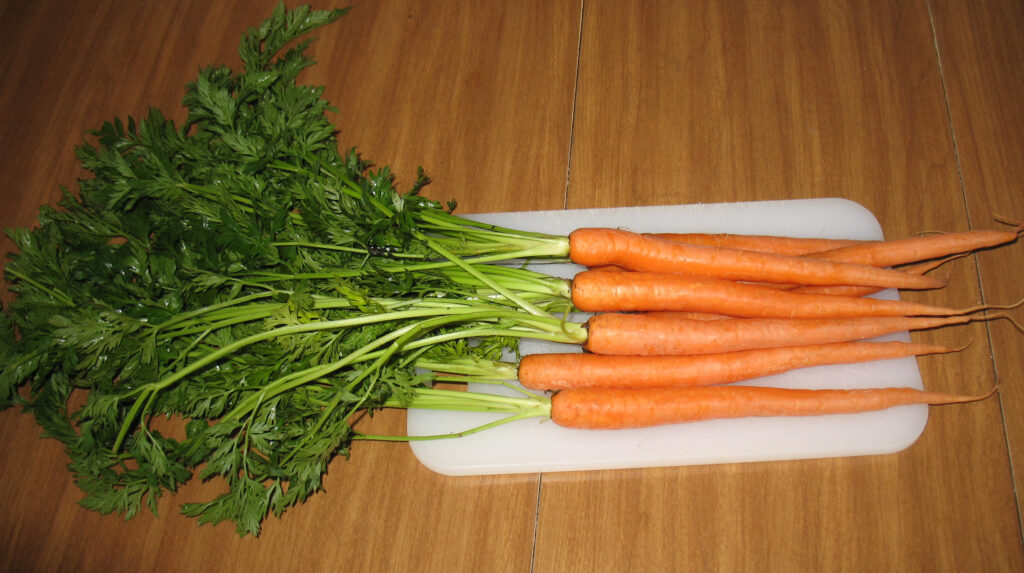
Carrots, white, yellow, orange, red and purple are rich in plant chemicals; phenolic compounds, carotenoids, polyacetylenes and ascorbic acid, plant chemicals with antioxidant and anti-inflammatory properties, that all help fight inflammation and pain
- The specific combination of these chemicals, vary according to the carrot’s color, and hence the antioxidant capacity, they all pack a powerful punch in the fight against the free radicals, substances that contribute to inflammation.
- The orange carrot featured in the photograph, the most commonly used, Like sweet potatoes has a very high concentration of beta carotene. According to the USDA 1 cup of cooked carrots without fat contains 12,670 mg of Beta Carotene.
- More carotene is available from steamed carrots than boiled.
- In all carrots, the highest concentration of phenolic compound is found in the skin, followed by the flesh and then the core. This is food for thought.
- Trivia: Carotenoids which includes Beta Carotene are named after Carrots due to the huge amount its roots.
Cauliflower
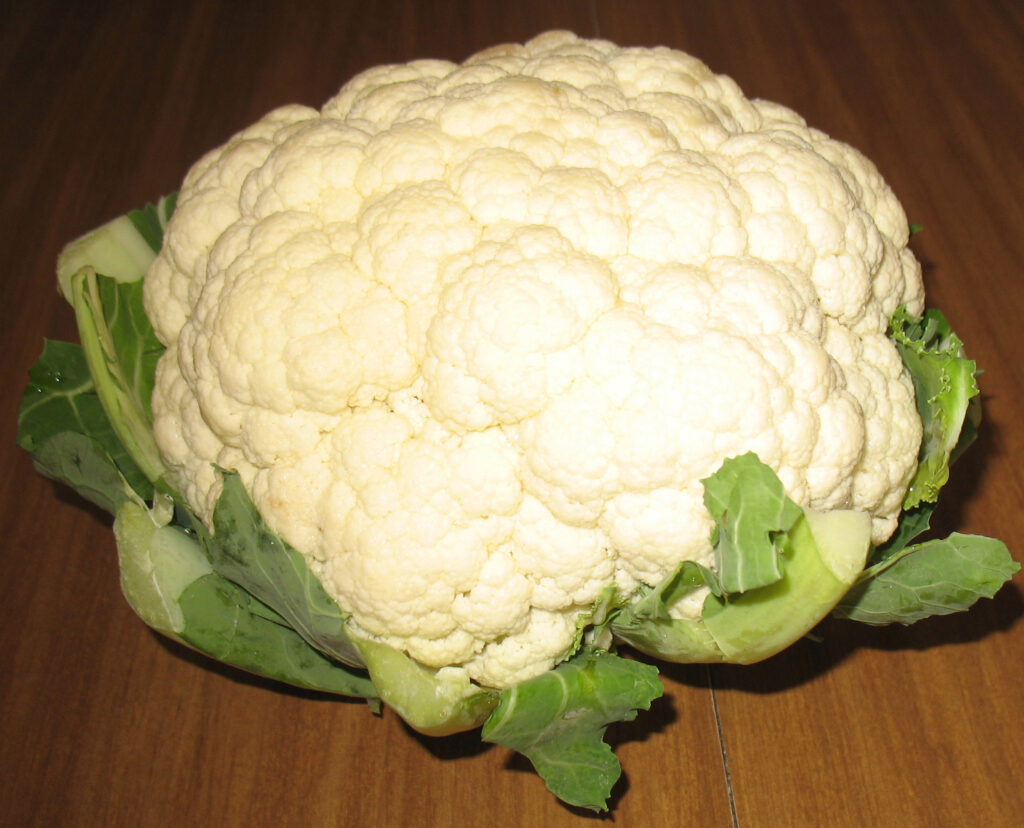
Cauliflower with an abundance of plant chemicals such as carotenoids, tocopherols, vitamin C, glucosinolates, phenolic compounds, Sulforaphane , quercetin, kaempferol and fiber etc., is a powerful fighter of inflammation and pain. How they work?
- Antioxidants such as vitamin C, quercetin, kaempferol help neutralize the, unstable chemicals (free radicals) that contribute to inflammation.
- Sulforaphane a sulfur containing chemical blocks the production of inflammatory substances.
- Fiber promotes healthy gut bacteria that help to regulate the body’s immune response and reduce inflammation.
- Blood Sugar friendly – Cauliflower has a low glycemic index which means that it causes a gradual and moderate increase in blood sugar after consumption, helping to prevent a blood sugar spike that can trigger inflammation.
Bell Peppers
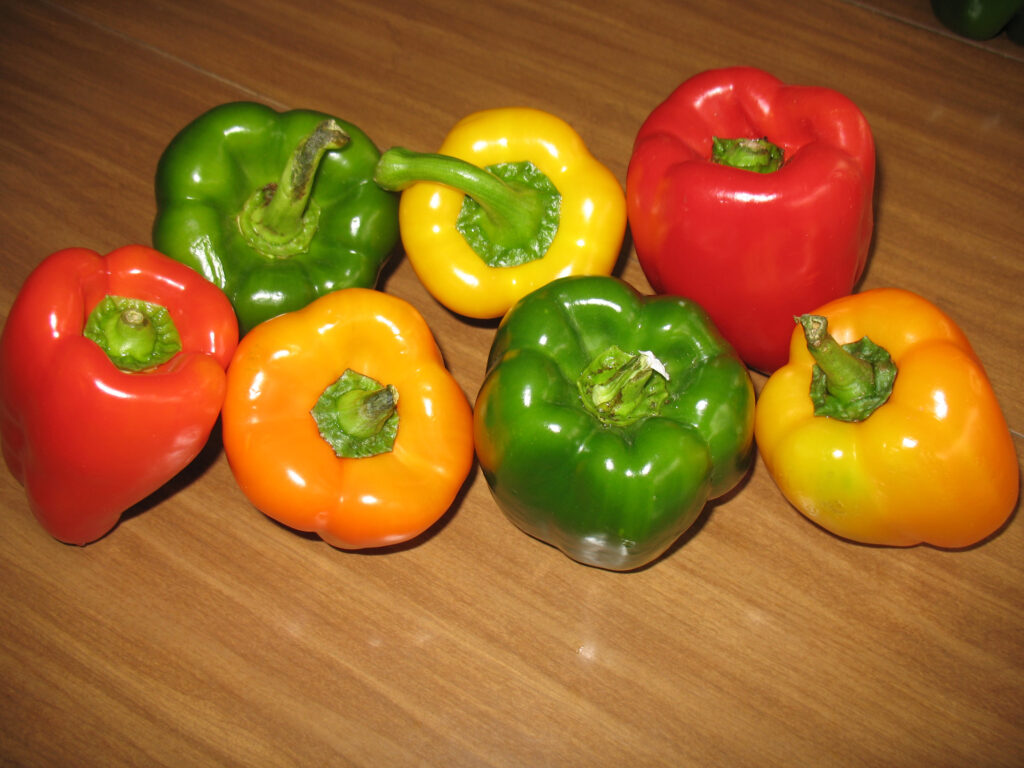
All the different colored bell peppers, green, yellow, orange and red are rich in bioactive compounds such as flavonoids, phenolic compounds, carotenoids, capsanthin , quercetin , tocopherol, and vitamin C etc. that actively fight inflammation and pain.
- Carotenoid is the substance responsible for the vibrant, red, yellow and orange color with the highest amount found in the red, followed by the orange, then the yellow, then the green and is a powerful antioxidant.
- However, the different chemicals vary in amounts depending on the variety and color making all 4 colored peppers rich with antioxidant and anti-inflammatory agents.
- Although the green, yellow, orange and red sweet peppers are the most popular, the dark violet and purple sweet peppers also possess antioxidant and anti-inflammatory substances that can neutralize free radicals and help reduce inflammation and pain.
Ionie Ponde, MS, RD, LDN
B Food Savvy 
References
- Palanisamy Arulselvan , Masoumeh Tangestani Fard , Woan Sean Tan , Sivapragasam Gothai , Sharida Fakurazi , Mohd Esa Norhaizan , S Suresh Kumar, October 10th, 2016, {Role of Antioxidants and Natural Products in Inflammation). Oxid Med Cell Longev doi: 10.1155/2016/5276130, PMCID: PMC5075620 PMID: 27803762
- Tom Clifford , Glyn Howatson , Daniel J West , Emma J Stevenson, 2015 Apr 14, The Potential Benefits of Red Beetroot Supplementation in Health and Disease, (Nutrients), PMCID: PMC4425174 PMID: 25875121
- Ala’a Al-Bakheit, Luay Abu-Qatouseh, Department of Nutrition and Food Processing, Faculty of Agriculture Technology, AL-Balqa Applied University, Al-Salt, Jordan, Department of Pharmacology and Biomedical Sciences, Faculty of Pharmacy and Medical Sciences, University of Petra, Amman, Jordan, 11 September 2020, Faculty of Agricultural Technology, Al-Balqa Applied University, Al-Salt, Jordan, Department of Pharmacology and Biomedical Sciences, Faculty of Pharmacy and Medical Sciences, University of Petra, Amman, Jordan. 11 September 2020, (Sulforaphane from broccoli attenuates inflammatory hepcidin by reducing IL-6 secretion in human HepG2 cells), Journal of Functional Foods, volume75,Functional Foods, , December 2020, 104210, https://doi.org/10.1016/j.jff.2020.104210Get rights and content
- Rahamat Unissa Syed , Sivakumar Sivagurunathan Moni Mohammed Khaled Bin Break Weam M A Khojali Mohammed Jafar , Maali D Alshammari , Karim Abdelsalam Soha Taymour Khetam Saad Mutni Alreshidi Manal Mohamed Elhassan Taha , Syam Mohan, July 7th 2023, ( Broccoli: A Multi-Faceted Vegetable for Health: An In-Depth Review of Its Nutritional Attributes, Antimicrobial Abilities, and Anti-inflammatory Properties), PMID: 37508253, PMCID: PMC10376324 DOI: 10.3390/antibiotics12071157,
- Flora Christine Amagloh Archileo N. Kaaya , Benard Yada , Doreen Murenju Chelangat , Arnold Katungisa , Francis Kweku Amagloh , Gaston Ampe Tumuhimbise , December 2022, (Bioactive compounds and antioxidant activities in peeled and unpeeled sweet potato roots of different varieties and clones in Uganda. https://doi.org/10.1016/j.fufo.2022.100183Get rights and content
- Emily P Laveriano-Santos , Anallely López-Yerena , Carolina Jaime-Rodríguez , Johana González-Coria , Rosa M Lamuela-Raventós , Anna Vallverdú-Queralt , Joan Romanyà , Maria Pérez, August 25th, 2022, Sweet Potato Is Not Simply an Abundant Food Crop: A Comprehensive Review of Its Phytochemical Constituents, Biological Activities, and the Effects of Processing ,PMCID: PMC9495970 PMID: 36139723.
- USDA Food Data, https://fdc.nal.usda.gov/food-details/2346404/nutrients
- Nur Huda Faujan, Universiti Sains Islam Malaysia, Saiful Irwan Zubairi National University of Malaysia, December 2023, Nutritional and Bioactive Constituents of Antioxidant and Antimicrobial, Properties in Spinacia oleracea: A Review, https://www.researchgate.net/publication/373708617_Nutritional_and_Bioactive_Constituents_of_Antioxidant_and_Antimicrobial_Properties_in_Spinacia_oleracea_A_Review
- Mithun Rudrapal, Shubham J Khairnar, Johra Khan, Abdulaziz Bin Dukhyil, Mohammad Azam Ansari, Mohammad N Alomary, Fahad MAlshabrmi, Santwana Palai, Prashanta Kumar Deb, Rajlakshmi Devi, 2/14/2022, (Dietary Polyphenols and Their Role in Oxidative Stress-Induced Human Diseases : Insights Into Protective Effects Antioxidant Potentials and Mechanism(s) of Action, Frontiers in Pharmacology, PMID: 35237163PMCID: PMC8882865 DOI: 10.3389/fphar.2022.806470
- anveer Ahmad , Maria Cawood , Qumer Iqbal , Agustín Ariño , Asmat Batool , Rana Muhammad Sabir Tariq , Muhammad Azam Sajjad Akhtar , September 19th, 2019, (Phytochemicals in Daucus carota and Their Health Benefits-Review Article), Foods, PMCID: PMC6770766 PMID: 31546950
- Radhika Bongoni 1, Markus Stieger, Matthijs Dekker, Bea Steenbekkers, Ruud Verkerk, June 2014, (Sensory and health properties of steamed and boiled carrots (Daucus carota ssp. sativus), DOI: 10.3109/09637486.2014.931360
- Fouad A Ahmed , Rehab F M Ali, September 22nd, 2013, (Bioactive Compounds and Antioxidant Activity of Fresh and Processed White Cauliflower), PMCID: PMC3793502 PMID: 24171164
- G Harvey Anderson , Chesarahmia Dojo Soeandy Christopher E Smith, May 2013, (White Vegetables: Glycemia and Satiety), PMCID: PMC3650508 PMID: 23674805
- Luis Miguel Anaya-Esparza Zuamí Villagrán-de la Mora , Olga Vázquez-Paulino , Felipe Ascencio , Angélica Villarruel-López, September 2nd, 2021, ( Bell Peppers (Capsicum annum L.) Losses and Wastes: Source for Food and Pharmaceutical Applications), PMCID: PMC8434037 PMID: 34500773