
Why Eat ?
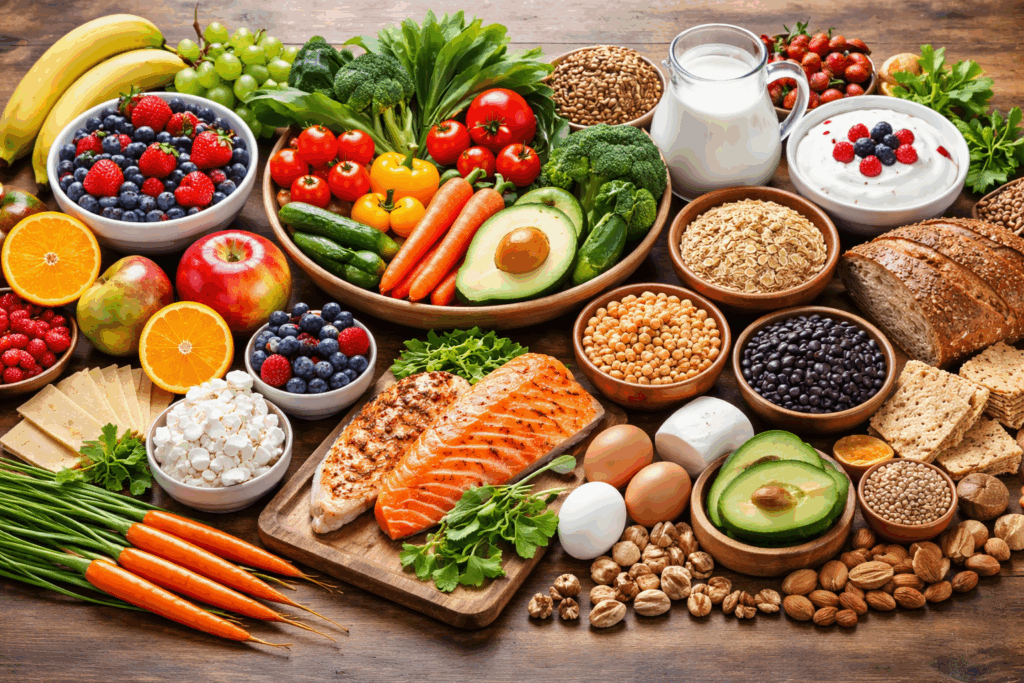
We eat most often, because we are hungry. Why do we get hungry ? Because we need food to survive. You see, our bodies are wonderfully made but in order to keep their splendor, we need to maintain them with the proper foods.
Do you own a car or know someone who does? How long do you think it will run without gas, oil, water? Not long. How long will it run without needed repairs ? Not long or ever again.
Just like cars our bodies need fuel, water, oil and repairs to stay well and function properly. In some parts of the world, people get sick and die for lack of food. In others there is an abundance of food to allow people to maintain their bodies properly, yet some of us struggle with this, overlooking some foods that we need.
The consequences of ignoring the needs of a car can come quickly and dramatically, but with our bodies they may take much more time and be more subtle, but serious.
Thankfully nature provides a diverse array of food groups that we need to include equitably in our diets to function properly. The foods in each food group have unique features that allow them to perform specific tasks in our bodies to keep us functioning properly. It is wise to include all food groups in our diets for optimal benefits. There is a variety of foods in each group to allow us to pick and choose.
Protein Foods – Meat, Fish, poultry, Eggs, tofu, peas, beans, lentils and More


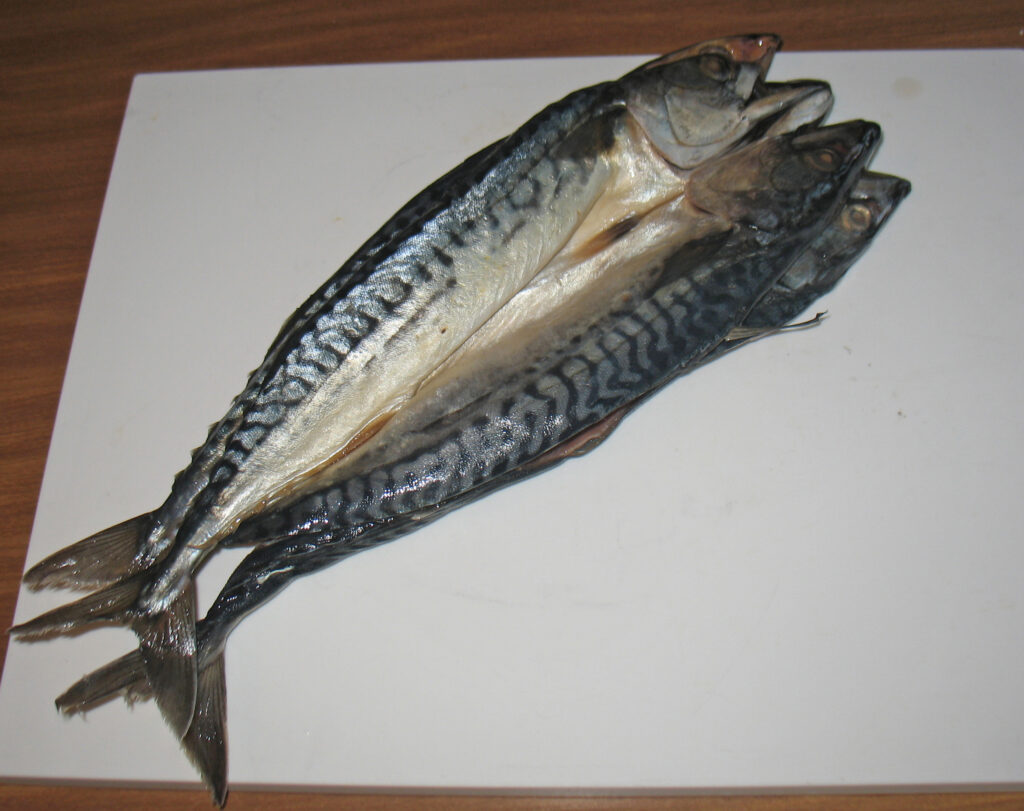
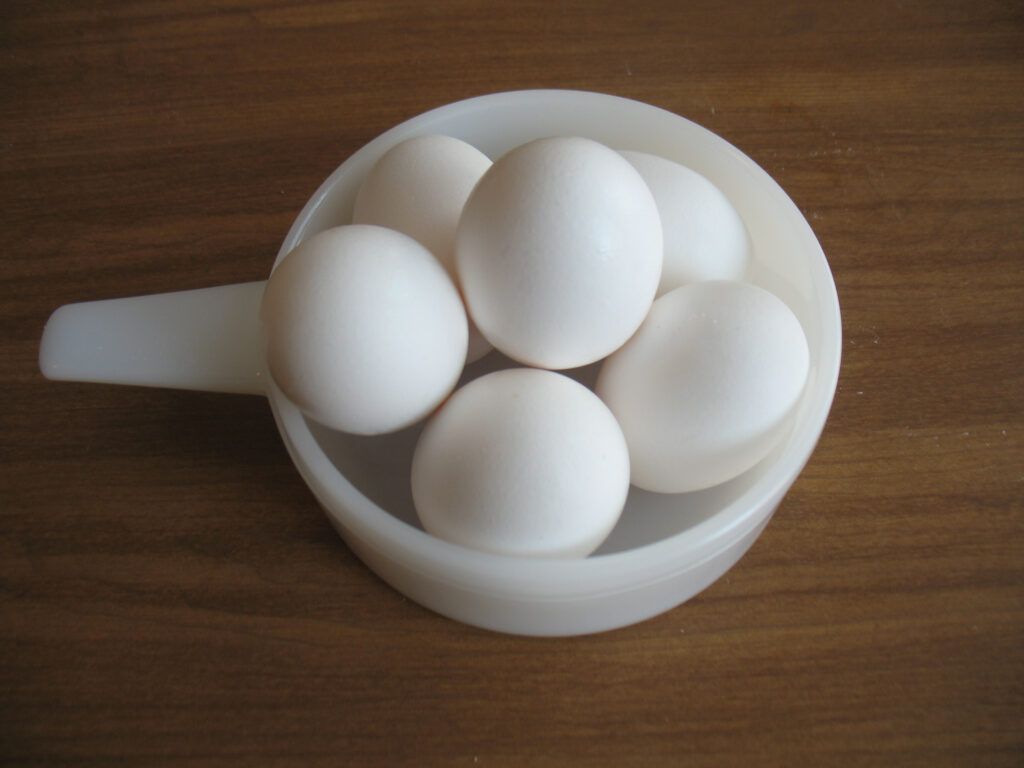
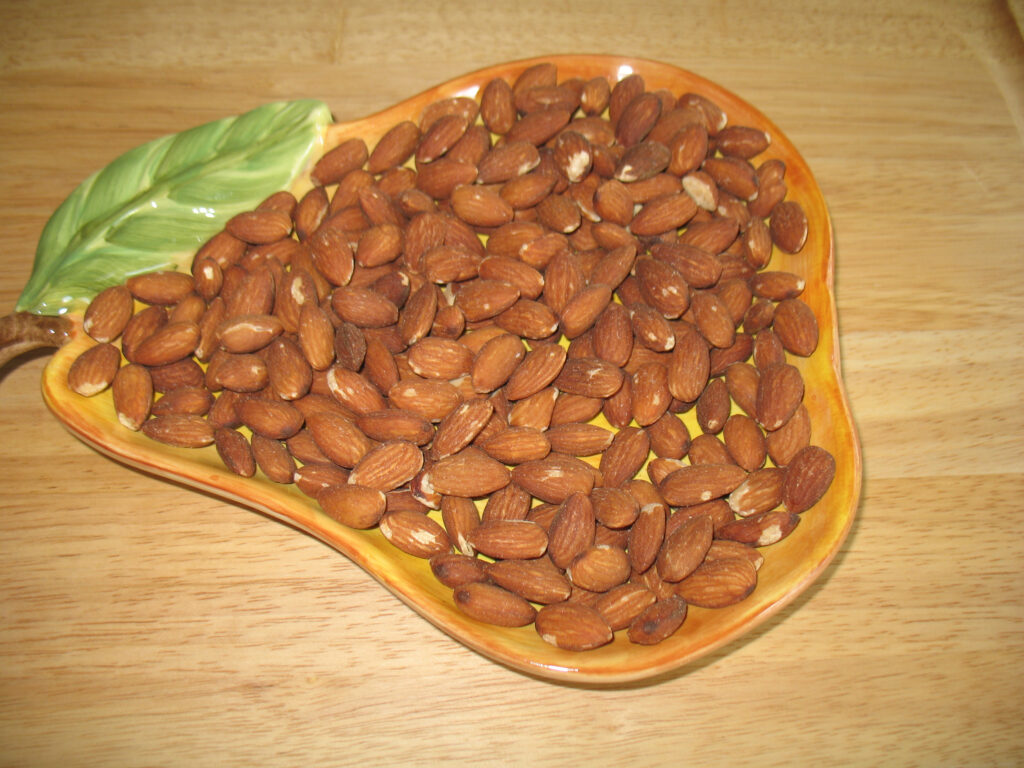
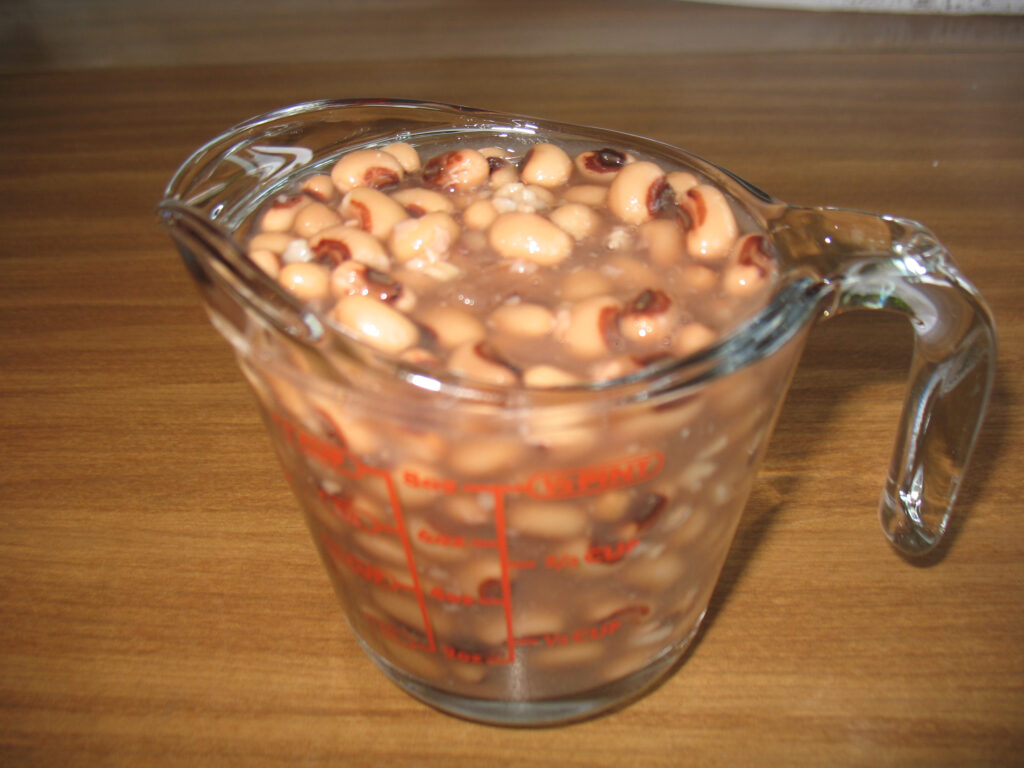
One of the many functions in the body performed by protein is to build and repair muscles. Muscles get damaged and worn and need constant repair. Without muscles we are skin and bones. There is no one waking around with just skin and bones, so let’s eat our proteins. Protein foods also build and repair our organs, tissues and skin. Fortunately, nature makes it easy for us by including protein in more than one food group.
Dairy Foods – Milk, Cheese, yogurt, butter, cream etc.
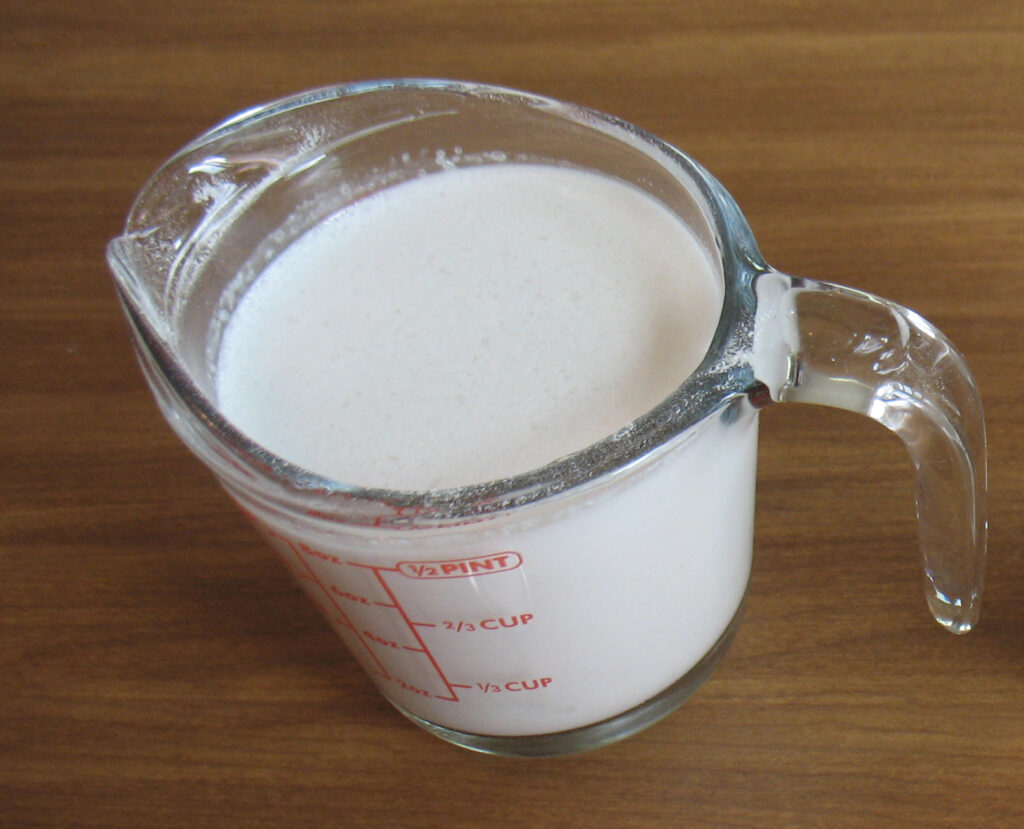

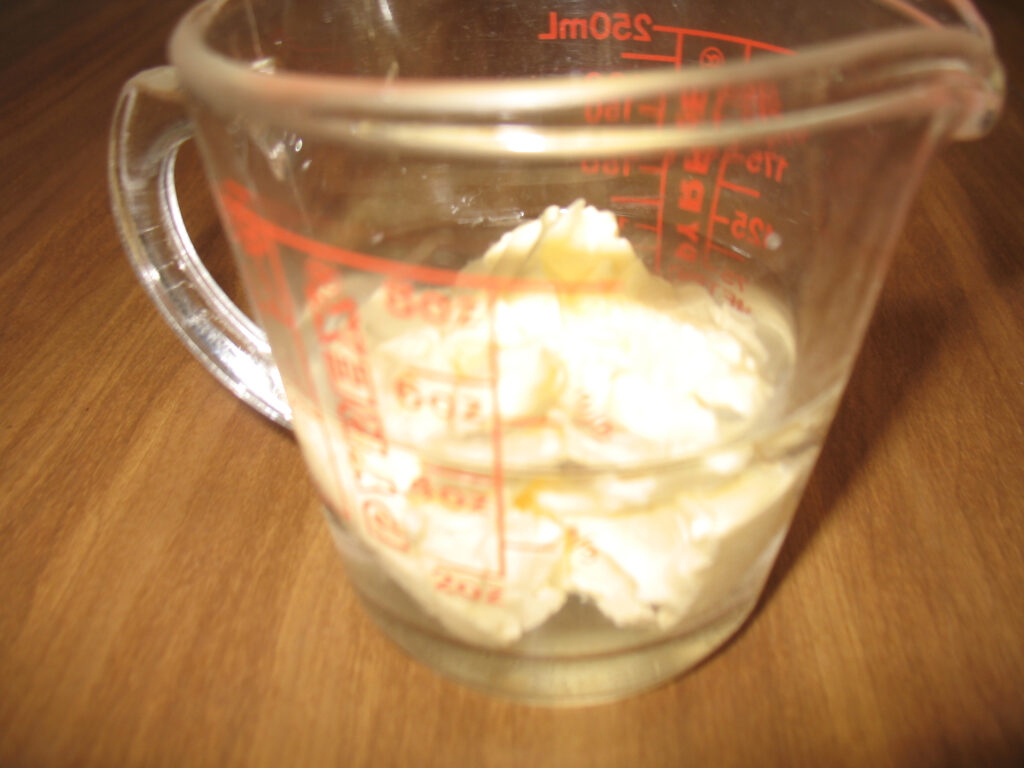
Dairy foods Like protein foods, supply our bodies with good quality proteins that help build and repair muscles, but due to its richness in other nutrients, carbohydrates, fats, minerals and vitamins etc., dairy foods help with a wide range of other essential body functions such as maintaining bone and teeth, the immune system, blood pressure, gut health and brain function. Dairy foods also contain sugars and fats that supply energy (fuel) for the body to run on.
Fruits – Peaches, pears, apples, grapes, bananas, pineapple, carambola, strawberries, blueberries, watermelon and many more
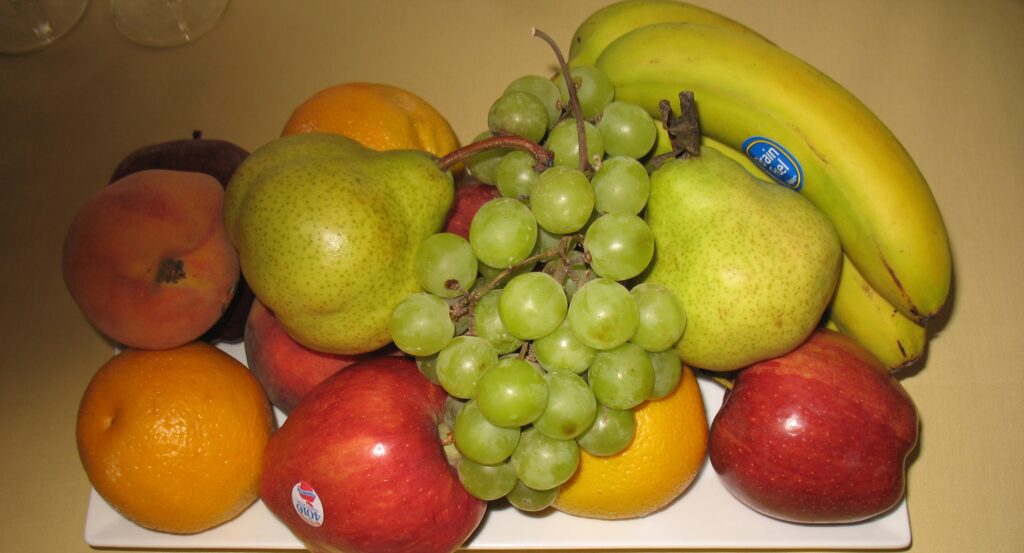
Fruits are jam-packed with an array of nutrients; vitamins, minerals, antioxidants, fiber, sugars, water etc., that facilitate multiple functions in the body; such as the body’s immune system to fight off disease, gut health, bowel movement, energy production, blood pressure regulation, skin and hair health, weight control, detoxification, memory and brain health and fight inflammation etc. Find the fruits you like and eat them. They are phenomenal.
Vegetables – Starchy and Non-starchy
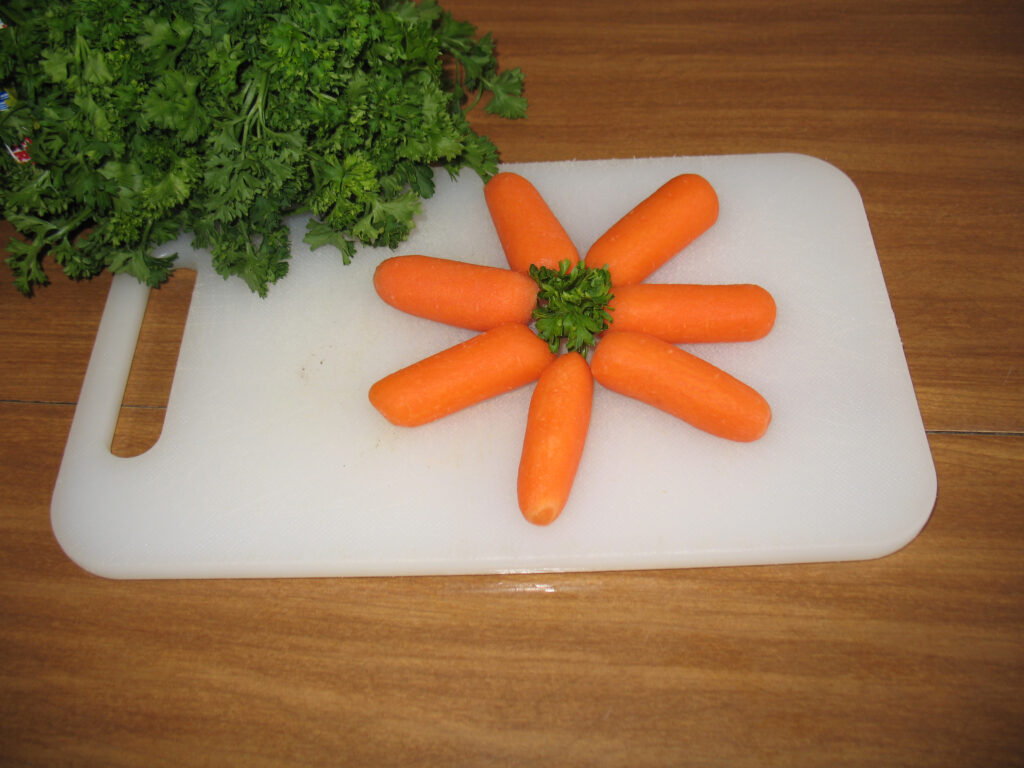
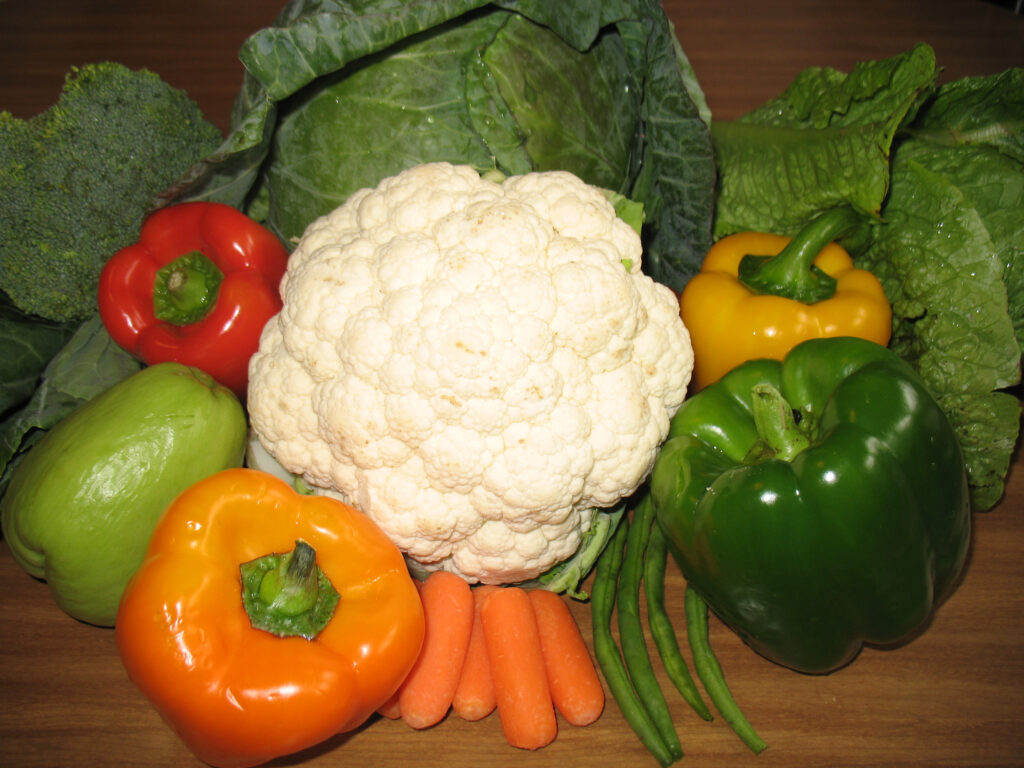
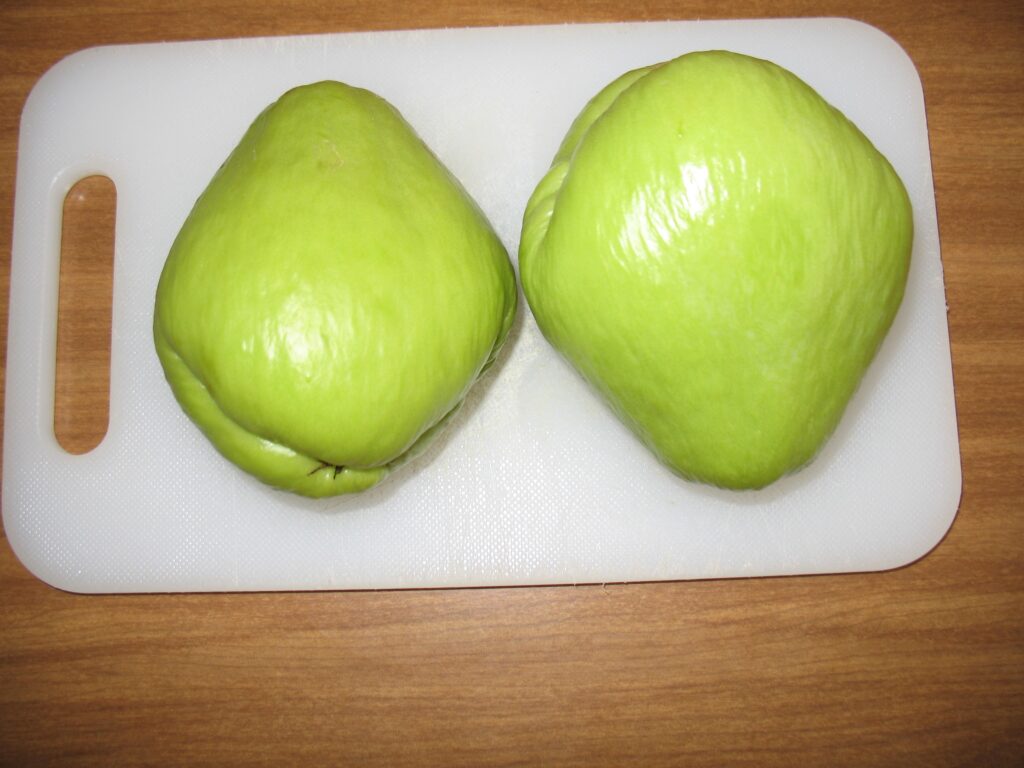
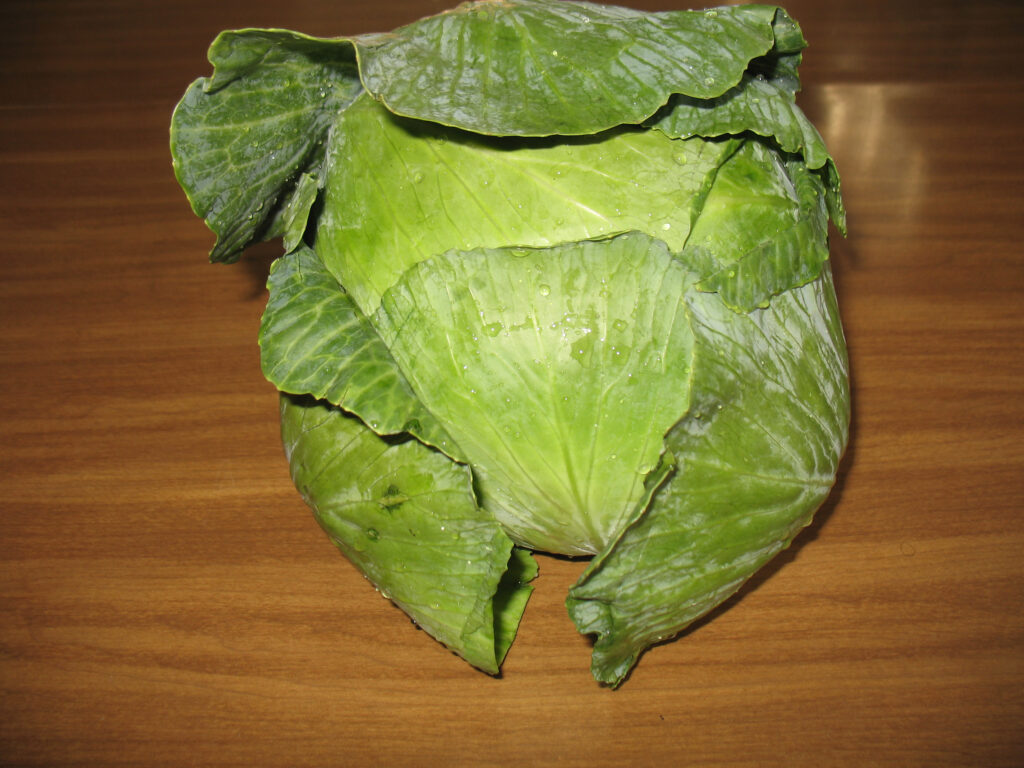
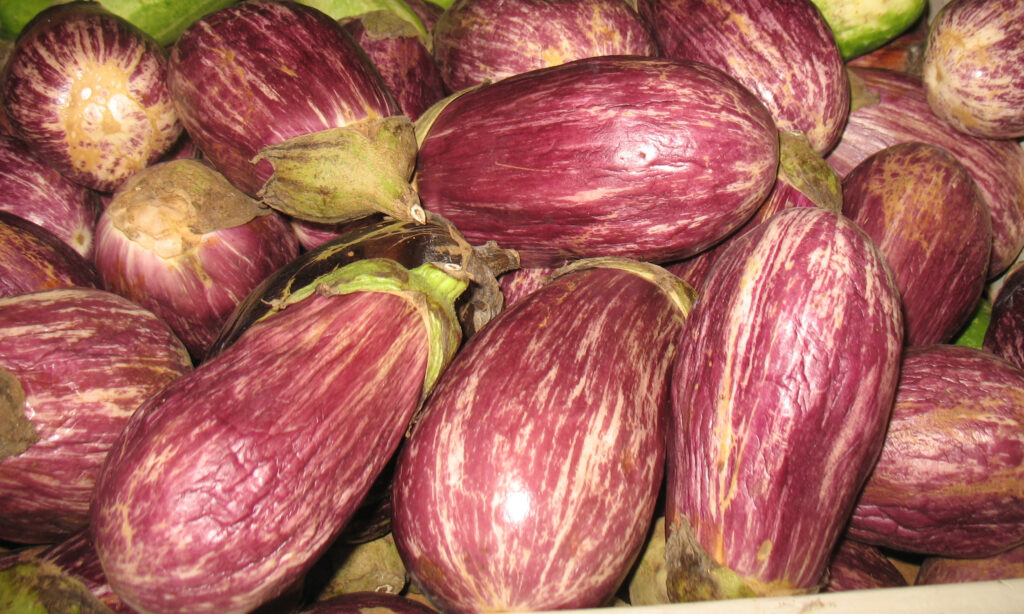
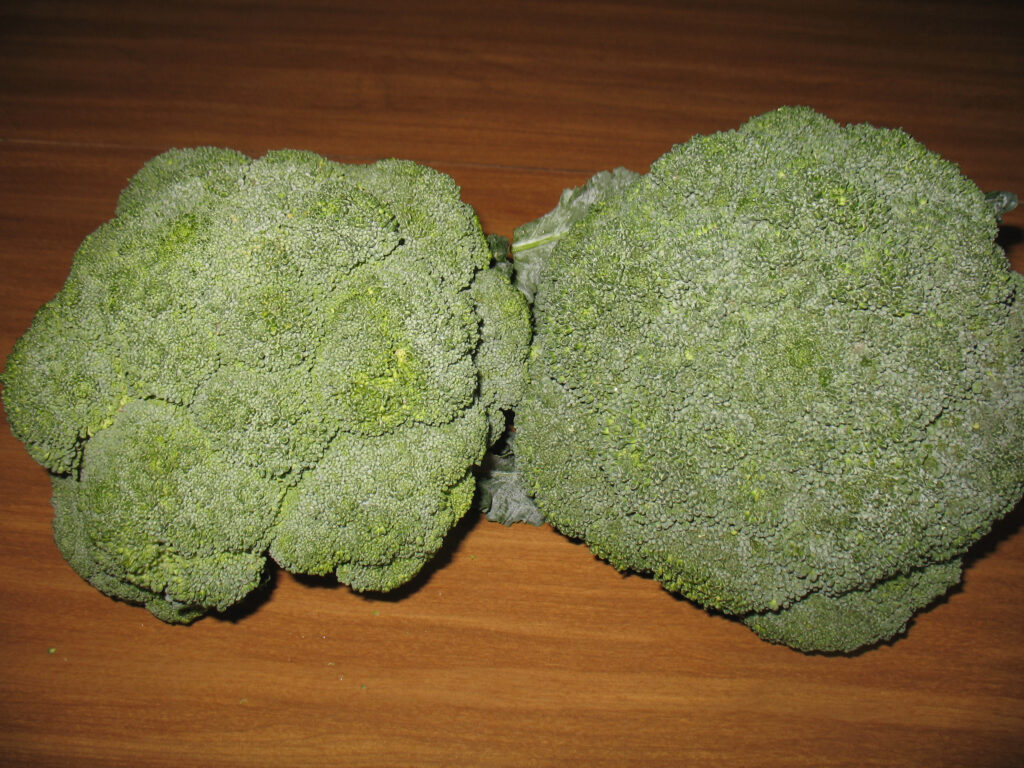
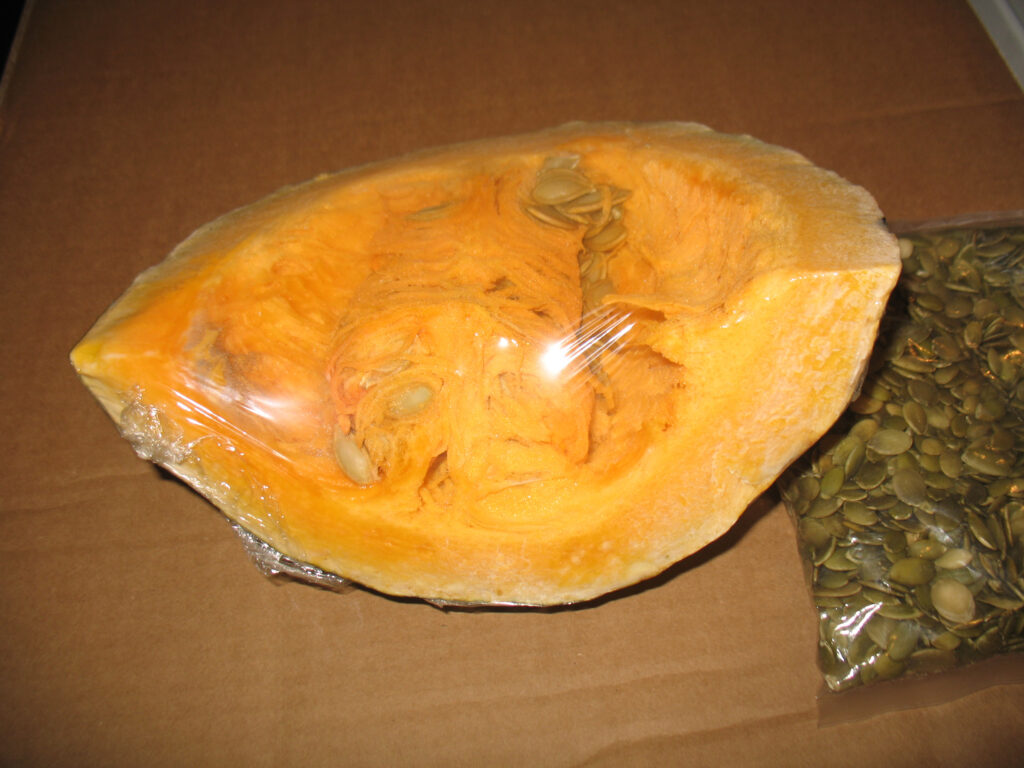
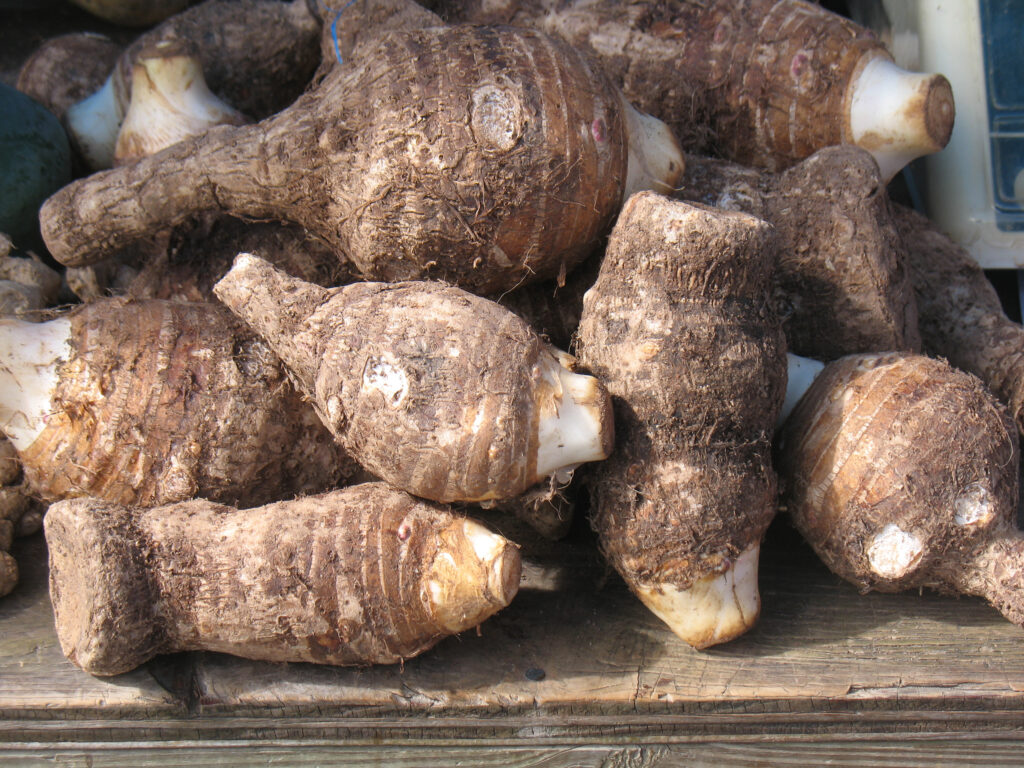
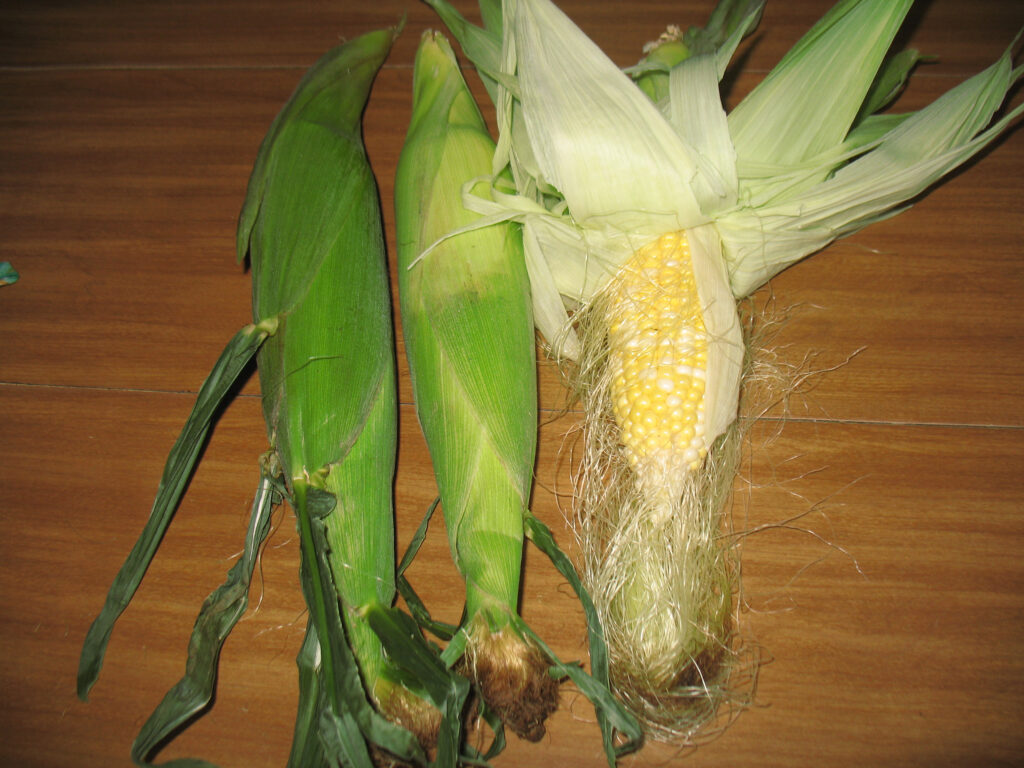
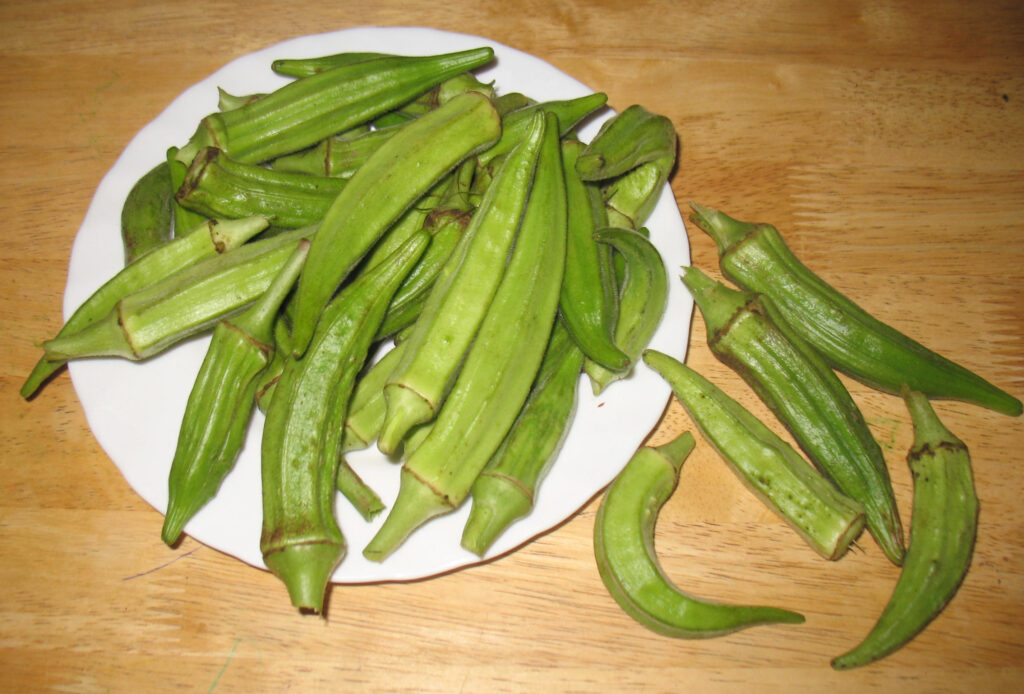
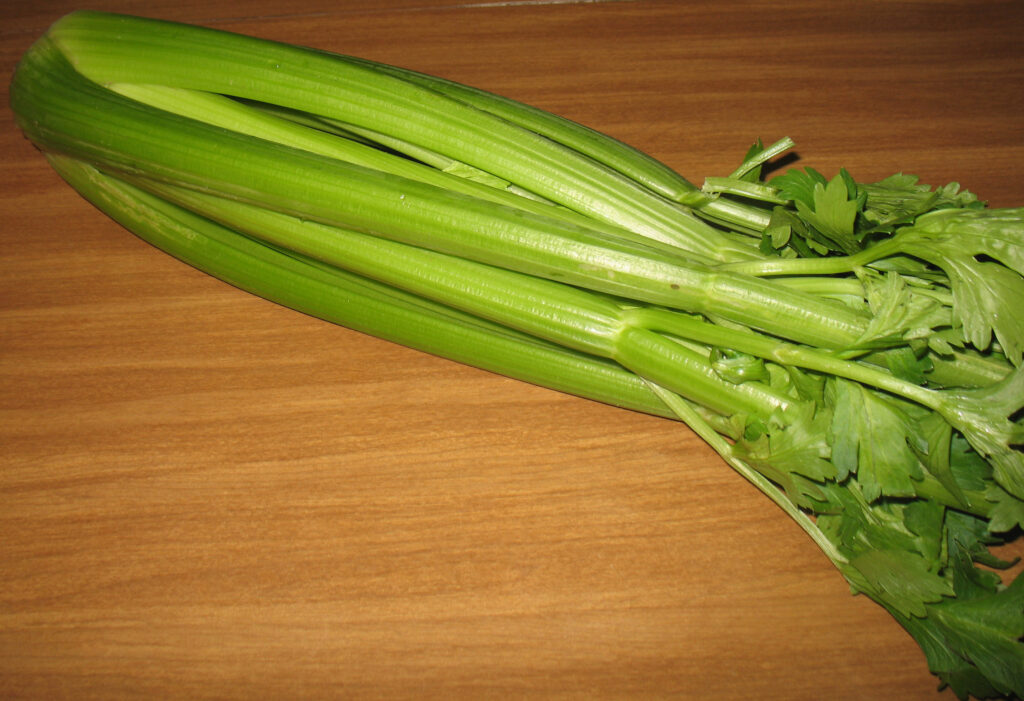
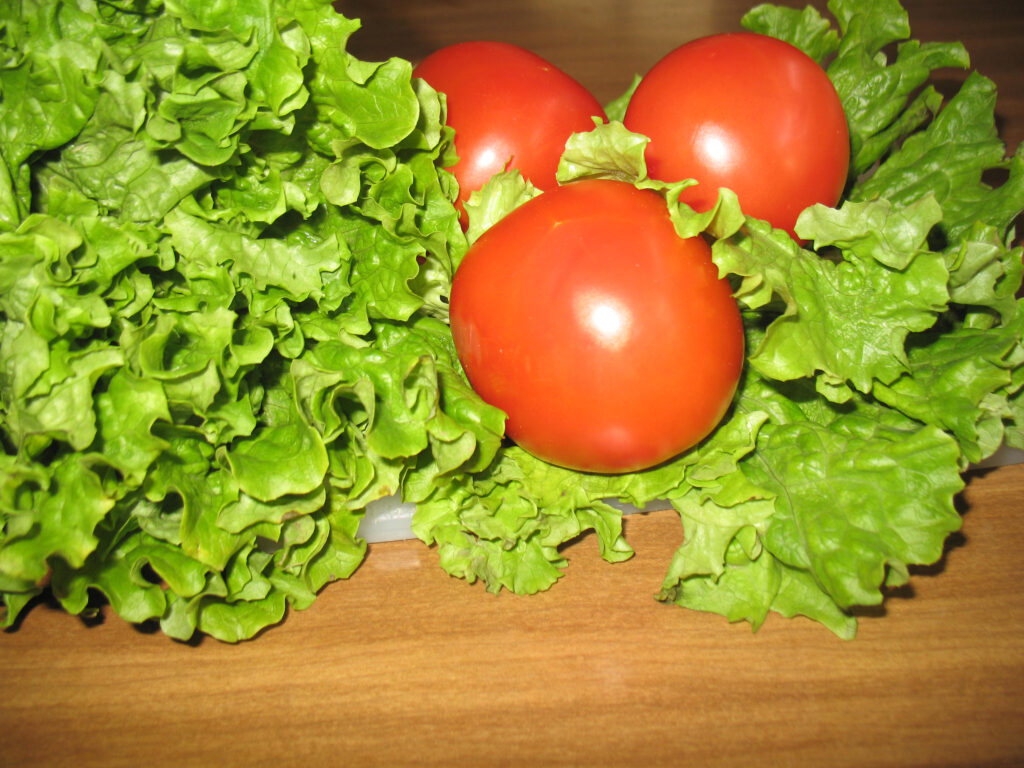
Like Fruits vegetables contain a wide variety of nutrients, vitamins, minerals, fiber, antioxidants etc. , that perform specific tasks in the body to support a number of essential body functions. These nutrients assist with vision, immunity, heart health, skin and hair health, gut health, bowel movement, the immune system, appetite control, weight management, blood pressure control, fight cancer, support strong bones and help to lower the risk of chronic diseases like diabetes. Substances in vegetables also help to fight inflammation and reduce cholesterol.
With all these benefits let’s find ways to include vegetables in our daily food consumption.
Grains – Cereal, Bread, Rice, Pasta, oatmeal, popcorn etc.
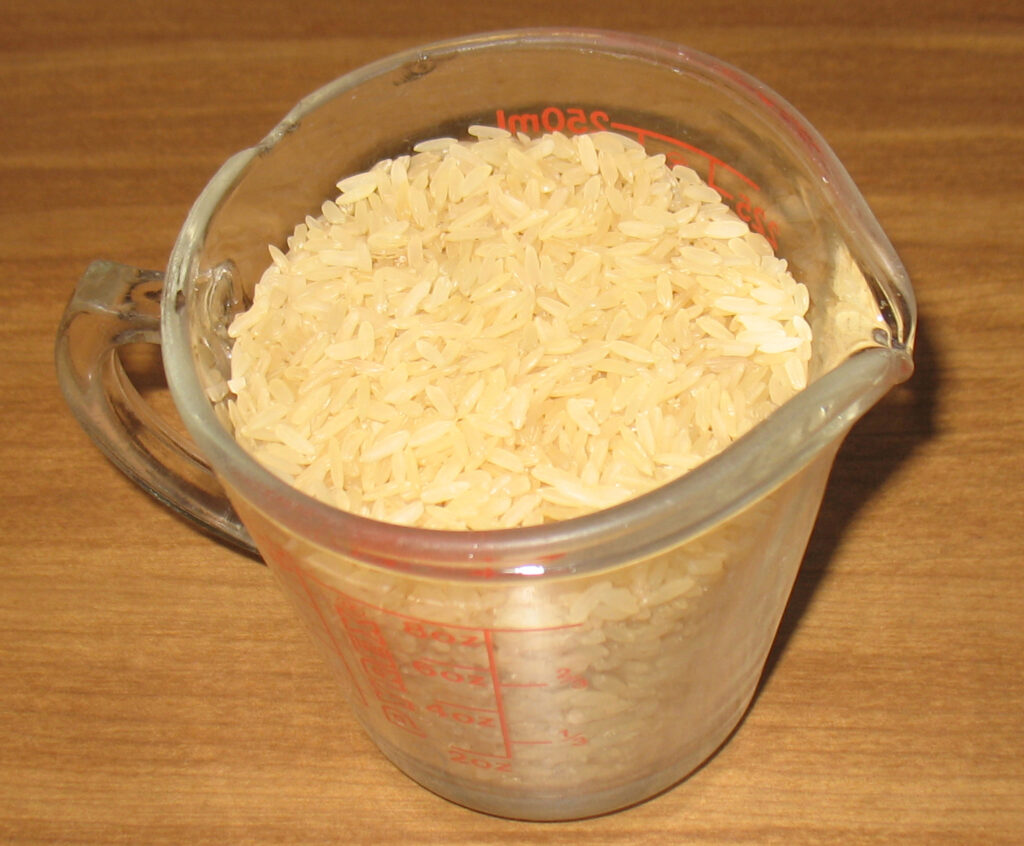

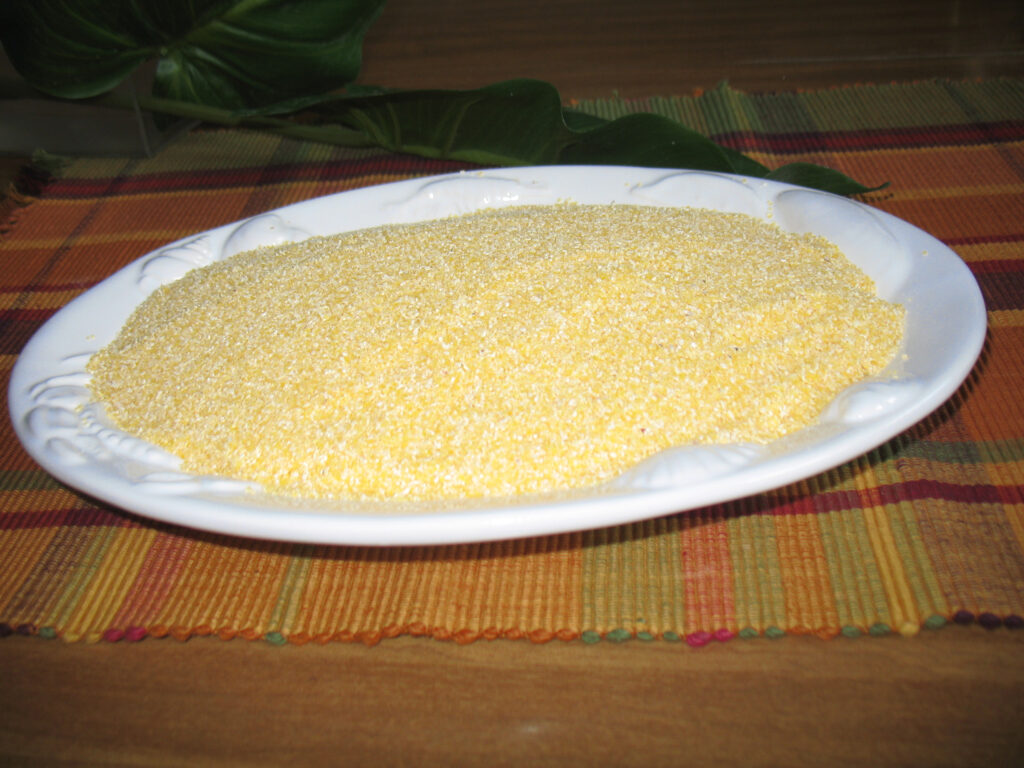
Grains, whole grains and refined grains are good source of energy for the body as they eventually break down into the simple sugar, glucose that the body uses as fuel. They also contain vitamins, minerals and fiber etc., that help the body to function well. These nutrients in grain help with a variety of functions such as bowel movement, gut health, lowering cholesterol, blood vessel function, blood sugar levels, metabolism, immune function, red blood cell production, appetite control, and weight management etc. Whole grains are more nutritious than refined grains.
Include food from all of these food groups regularly for optimal health.
Water

In addition to consuming a variety of foods from the food groups above, we must drink adequate amounts of water daily for our bodies to utilize the foods we eat and function properly.
Water makes up approximately 60% of our bodies and is essential for us to continue living as well as living in good health. Every cell, tissue, and organ in your body relies on adequate amounts of water to function properly.
Crucial body functions such as temperature regulation, the movement of nutrients, digestion of food, excretion of waste from the body, brain function, circulation and more, cannot occur without water, or occur properly without sufficient water.
In performing these functions, the body loses water, through processes such as breathing, waste elimination and perspiration. This loss of water must be replaced daily.
Fortunately, the body automatically reminds us when our body needs water, through the thirst mechanism. You get thirsty. Unfortunately, however. this mechanism does not work very well in older adults so if you are older and you are not getting enough water you have to devise your own method to prompt you when to drink water.
Although you can get water from many sources, include a fair amount of plain water called free water, flavored or unflavored daily.
For detailed information on “why eat” specific foods click on the link below to our blog posts.
Ionie Ponde, MS, RD, LDN
B Food Savvy 