Why your next prescription from your doctor could be to the grocery store instead of the pharmacy.
For Centuries, humans have used food as medicine to treat a wide number of illnesses as far back as BC- Before the coming of Christ. Hippocrates who Lived around 460–370 BC and famously referred to as the “Father of Medicine”, is quoted as saying “Let food be thy medicine and medicine be thy food.”
Revelation 22:2 “In the middle of the city, on both sides of the river are trees of life producing fruit twelve times, once each month, the leaves of which are for healing the nations.”
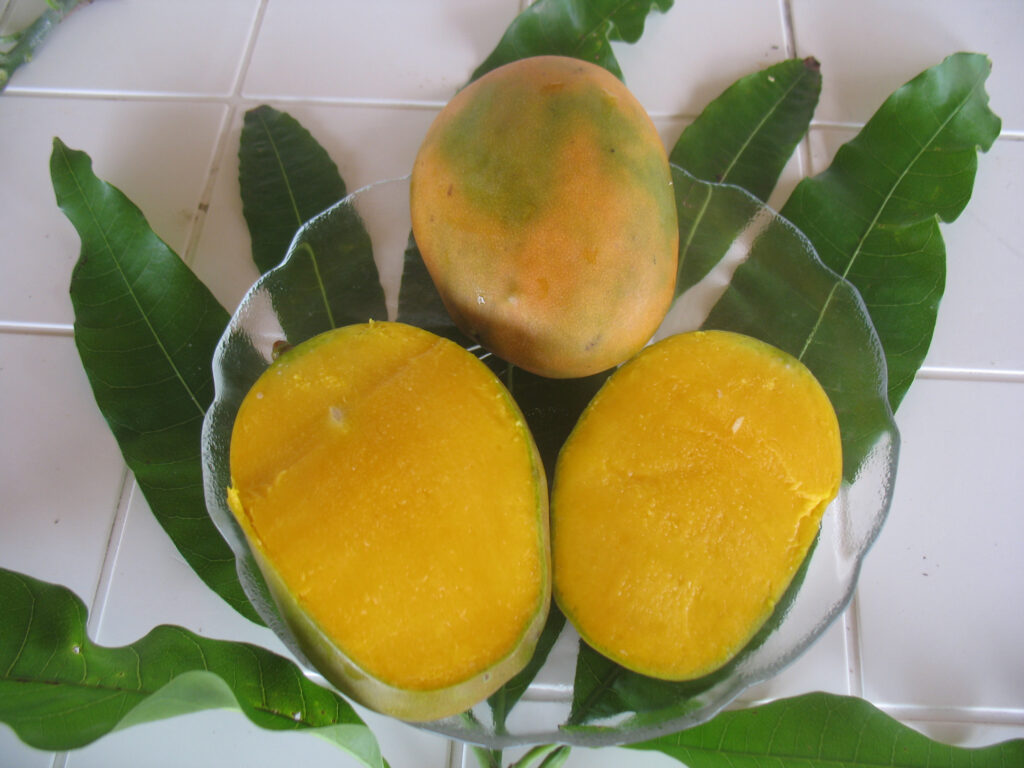
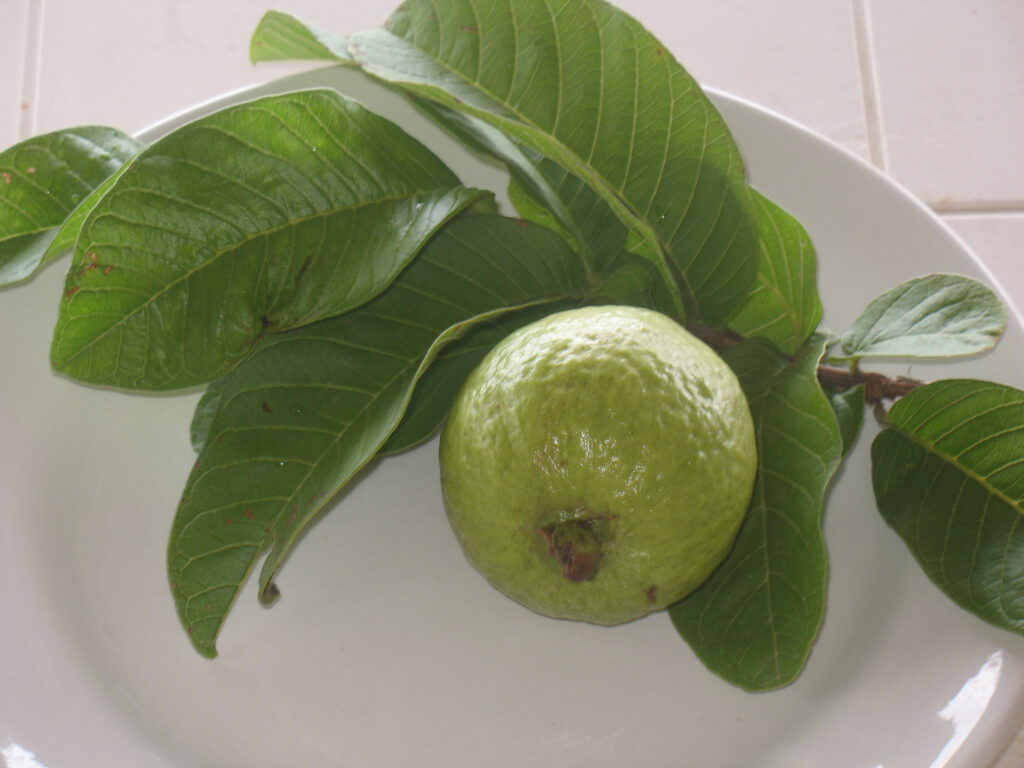
Ezekiel 47:12 states “Near the river on both banks there will be all kinds of fruit trees, with foliage that will not wither and fruit that will never fail; each month they will bear a fresh crop because the water cones from the Temple. The fruit will be good to eat and the leaves will be used for healing. “
In recent years, scientific evidence from research conducted on various foods have validated the statements in the bible that fruit tree leaves as well as other foods do indeed possess medical healing properties.
These findings ignite a flurry of interest on this topic and many disciplines, medicine, pharmacology, natural product chemistry etc. as well as a number of medical related institutions have invested in research programs to explore the medical properties of foods for integration in the prevention and treatment of illness.
One such study, A PREDIMED trial confirmed that “the mediterranean diet supplemented with extra virgin olive oil or nuts substantially lowers the risk of major cardiovascular events”, decrease inflammation and “improve lipid profiles”
Another study, A British study “provided compelling evidence that a low-calorie, total diet replacement can lead to significant remission in type 2 diabetes patients. This study challenged the traditional view that type 2 diabetes is an irreversible, lifelong condition, instead suggesting that substantial weight loss can lead to long-term remission”.
As a result of such studies many organizations are embracing the concept of food as medicine and today, doctors, nutritionists, chefs and others are working together to engage the general population to understand and meet their medical food needs through programs such as medically tailored meals, medically tailored groceries , produce prescriptions and hands on training.
In September 2024 Mass General Brigham in Boston Massachusetts published an article outlining their Food is Medicine program that encourages their medical providers “to view food the same way they view any other medical care, especially when treating diet-related conditions”. Providers can refer patients to the hospital and other community programs such as cooking classes, food pantry, food bank etc.
According to one contributor, Elsie Taveras MD, MPH, “Not only do we want to use what we eat to stop chronic diseases linked to poor nutrition from progressing, but we want to use those foods to prevent those conditions from developing in the first place.”
Governments to, have been getting involved. The states of California and Massachusetts have implemented food is medicine programs, paid for through the healthcare system to help those at risk.
At the federal level, the past administration President Biden “ hosted the first White House Conference on Hunger, Nutrition, and Health in over 50 years; released a National Strategy to end hunger and reduce diet-related diseases by 2030; and cultivated over $10 billion in external commitments, including through the White House Challenge to End Hunger and Build Healthy Communities. More than 20 federal agencies were taking action to implement the National Strategy”
“To accelerate Food in Medicine (FIM), the Department of Health and Human Services (HHS) established the FIM Initiative to Unify and Advance Collective Action and launched a comprehensive online toolkit to help communities design and implement FIM interventions. Collectively, Under the Biden/Harris administration HHS and other federal agencies continued to lead critical investments that support growth of FIM interventions across the nation.”.
While all of this renewed interest in food as medicine is gaining popularity and publicity, the use of food as medicine has continued quietly through the years in institutions, communities and families.
One well publicized case of the role of food in treating disease occurred years ago when success at John Hopkins Hospital in treating epilepsy with the ketogenic diet , a high fat, Low carbohydrate diet was turned into a movie, “First Do No Harm “(1997), a made-for-TV drama starring Meryl Streep, directed by Jim Abrahams . The movie was based on a true story of a man, Jim Abrahams himself, who after several failed attempts of modern medicine at resolving his son’s epilepsy, researched alternative treatment and found the ketogenic diet. Despite discouragement by the child’s health care providers, he transferred his son’s care to John Hopkins hospital where he was successfully treated with the ketogenic diet, a high fat low carbohydrate diet that forces the body to burn fat for energy instead of carbohydrate, a state of ketosis. The dietitian involved in his care, Millicent Kelly, RD played her own part in the Movie.
I was particularly delighted by this TV drama, as I had first-hand knowledge and experience of treating epilepsy with the Ketogenic diet as the institution, I worked at back then also used it as a standard approach.
Not all cases of food as medicine are so well publicized, but people all over the world have through time continued to rely on food to help treat their illnesses. The Indians have used turmeric widely in the treatment of disease and some women in the Caribbean used mint tea at certain times of the month to help with cramps and blood clotting. Also in the Caribbean, children were sent to the family home garden to pick Senna leaves to make Senna tea, a laxative. Today a well- known laxative on the market advertises that the source of their laxative is the Senna plant.
As a young dietitian I worked with a pediatrician to develop a diet for a 5-year-old girl suffering from “Leucine Sensitive Hypo-Glycemia” meaning her blood sugar levels dropped below normal when she ate protein foods. Yet she needed protein foods to grow, a real dilemma. You see, leucine is one of the essential amino acids in protein that the body needs. Her condition was a challenge for both her physical and mental growth. At that time, there were only33 cases in the US and little guidance for treatment. Through much research and study, we finally devised a diet she could tolerate that utilized vegetable proteins. A modified diet that carefully balanced her needs and significantly contributed to her medical care.
Food as medicine has stood the test of time and has proven to be very powerful in the prevention and treatment of disease. Eat healthy to prevent diet related diseases and work with your medical providers to help manage and treat illness with appropriate foods.
For the medicinal properties of specific foods, check out our blog posts on food as medicine. below
Blog Posts on food as Medicine
Ionie Ponde, MS, RD, LDN
B Food Savvy 
References:
- Christian community Bible, Catholic Pastoral Edition, 39th Edition, Claretian Publications
- Koushik R. Reddy, MD, FACC, FACLM, DipABLM, Monica Aggarwal, MD, FACC, Andrew M. Freeman, MD, FACC, December 2024, Food Is Medicine: The Time is Now, The American Journal of Medicine (2024) 137:1180−1183, https://www.amjmed.com/article/S0002-9343(24)00497-2/fulltext
- Ramón Estruch, M.D., Ph.D., Emilio Ros, M.D., Ph.D., Jordi Salas-Salvadó, M.D., Ph.D., Maria-Asabel Covas, D.Pharm., Ph.D., Dolores Corella, D.Pharm., Ph.D., Fernando Arós, M.D., Ph.D., Enrique Gómez-Gracia, M.D., Ph.D, February 27, 2014, Primary Prevention of Cardiovascular Disease with a Mediterranean Diet, N Engl J Med 2014;370:886, DOI: 10.1056/NEJMx140004, VOL. 370 NO. 9
- NHS Type 2 Diabetes Path to Remission Programme, https://www.england.nhs.uk/diabetes/treatment-care/diabetes-remission/
- Sarah Downer, Seth A Berkowitz, Timothy S Harlan, Dana Lee Olstad, Dariush Mozaffarian, June 29th, 2020, Food is medicine: actions to integrate food and nutrition into healthcare, BMJ, PMCID: PMC7322667 PMID: 32601089
- Elsie Tasveras MD, MPH; Lauren Fiechtner, MD, MPH; Priscilla Wang, MD, MPH, September 19th, 2024, Food Is Medicine Treats Chronic Disease, Mass General Brigham, https://www.massgeneralbrigham.org/en/about/newsroom/articles/food-as-medicine#:~:text=Mass%20General%20Brigham’s%20Food%20as,and%20observe%20how%20they%20respond.
- Food is Medicine Massachusetts, https://foodismedicinema.org/
- The National Governor’s Association, June 17, 2025, Food is Medicine: A Strategic Shift in State Health Policy, https://www.nga.org/news/commentary/food-as-medicine-a-strategic-shift-in-state-health-policy/#:~:text=According%20to%20KFF’s%20waiver%20tracker,
- Fact Sheet: Biden-Harris Administration Highlights Historic Food System Investments, The White House, Briefing Room, Statements and Releases https://bidenwhitehouse.archives.gov/briefing-room/statements-releases/2025/01/14/fact-sheet-biden-harris-administration-highlights-historic-food-system-investments/