Cutting Boards Can Spread Germs to Your Food and make you ill. Cutting boards are one of the most frequently used tools in the kitchen, from chopping vegetables to slicing raw meat, however, what you may not realize is that cutting boards can easily become a hidden source of foodborne illness without you being aware.
How?
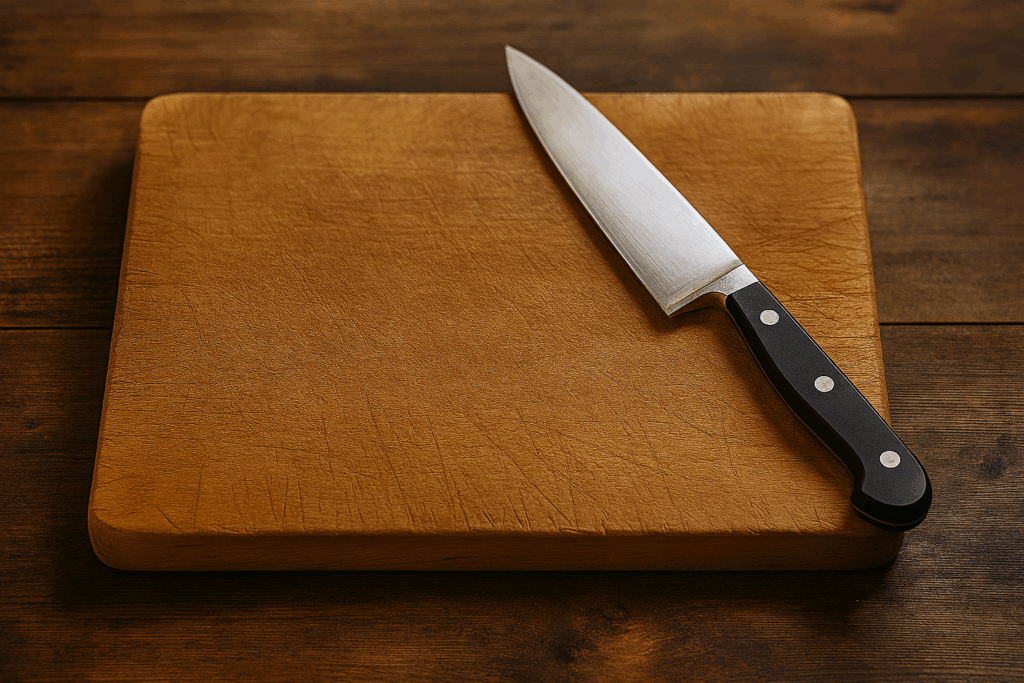
When you cut foods that contain harmful bacteria such as raw meat, poultry, or seafood etc. , dangerous bacteria such as Salmonella, E. coli, or Campylobacter can seep into the tiny grooves and scratches on your cutting board. If that same board is later used for cutting ready-to-eat foods like fruits, vegetables, or bread without proper cleaning, the bacteria can transfer to those foods and cause illness.
How to keep cutting boards safe
- Avoid cross contamination. Use separate cutting boards for different foods, one for raw meat, poultry, and seafood, one for fruits, one for vegetables, one for ready to eat foods and one for bread etc. Select a different color for each cutting board to avoid mistakes. Many cutting boards are sold in sets of different colors.
- Clean thoroughly: After each use, wash cutting boards with hot, soapy water. Rinse and air-dry completely before the next use.
- Sanitize regularly: For deeper cleaning, sanitize cutting boards using a diluted bleach solution (3 tablespoon of unscented bleach in 1 gallon of water) or run dishwasher-safe plastic boards through the dishwasher.
- Replace when worn: If your cutting board has deep grooves, cracks, or stains that can’t be scrubbed away, it’s time to replace it.
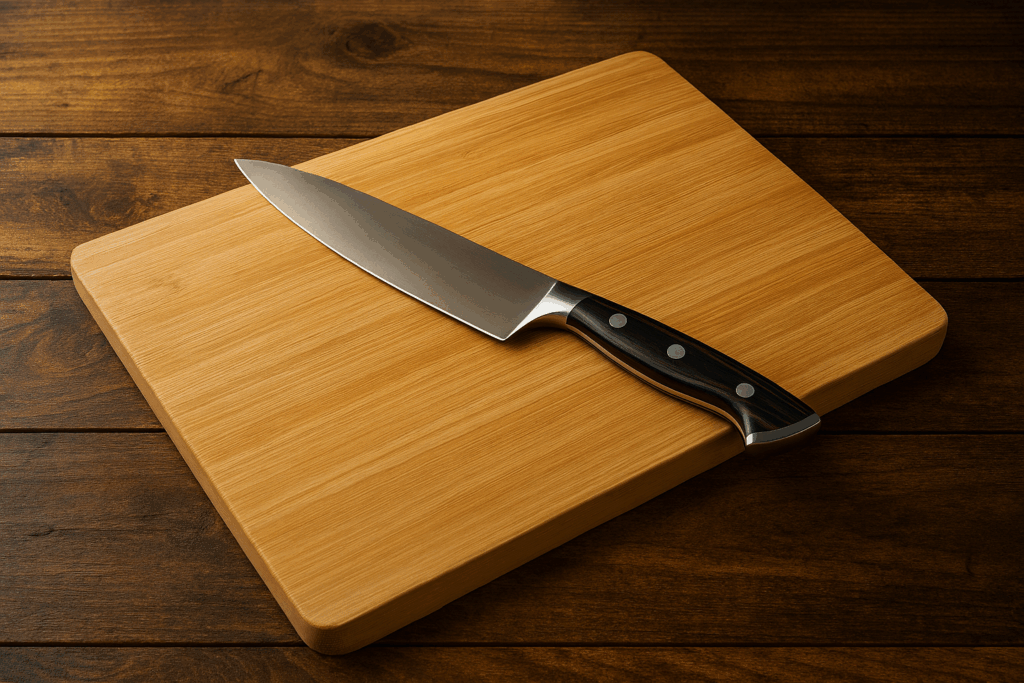
According to the USDA Cutting Boards Can Become a Source of Contamination if not handled properly.
Remember you cannot see bacteria. Your cutting board might look harmless, but it can be a major culprit in spreading germs if you’re not careful. By using separate color- coded boards, cleaning and sanitizing them properly, and replacing them when they become worn, you can drastically reduce the risk of cross-contamination and keep your kitchen safer.
Ionie Ponde, MS RD LDN
B Food Savvy 
References
- Food Safety and Inspection Service, US Department of Agriculture, https://www.fsis.usda.gov/food-safety/safe-food-handling-and-preparation/food-safety-basics/cutting-boards
- Joe Kivett, Dr. Mark Tamplin, Dr. Gerald J Kevitt, 2016, The Food Safety Book, Kivett Productions incorporated. ISBN 978-0-9791741-0-0