

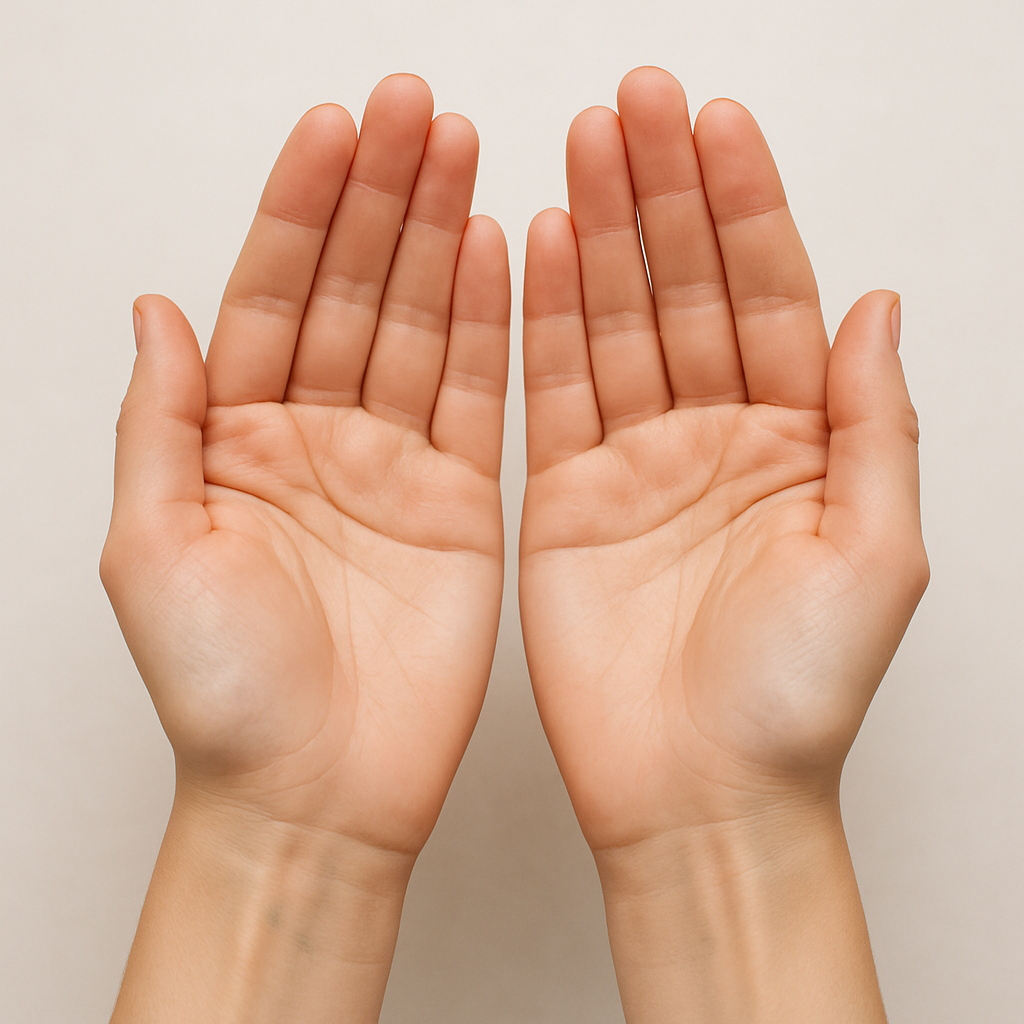
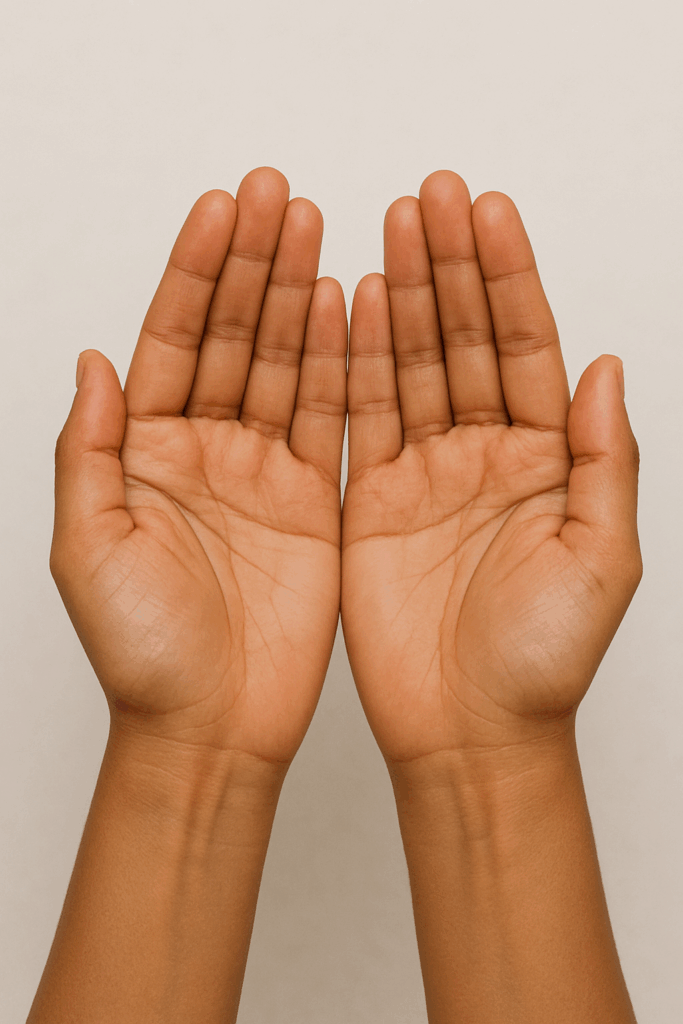
Every day, all day long, Your hands come into contact with countless surfaces and objects; door handles, phones, money, raw foods, soiled linen, unclean objects, cleaning products, and more that can contaminate them with harmful germs and substance without you being aware.
Because you cannot see them and you are unaware of their presence, you sometimes without thinking handle foods particularly ready to eat foods without first washing your hands, transferring these harmful bacteria, viruses, allergens or other germs they carry unto the foods you touch.
In the case of bacteria for example, If the food is left long enough in temperatures that are favorable to their growth, they multiply rapidly in the food to levels that make you sick when the food is consumed.
How to prevent this? Remember to wash your hands properly before toughing food, particularly ready to eat foods.
Success depends on proper hand washing. Not all hand washing are equal. Studies have shown that that some harmful germs remain on so called clean hands, hands washed in haste. To get rid of these germs and make your hands safe to handle foods, you must wash your hands properly.
Proper Hand Washing
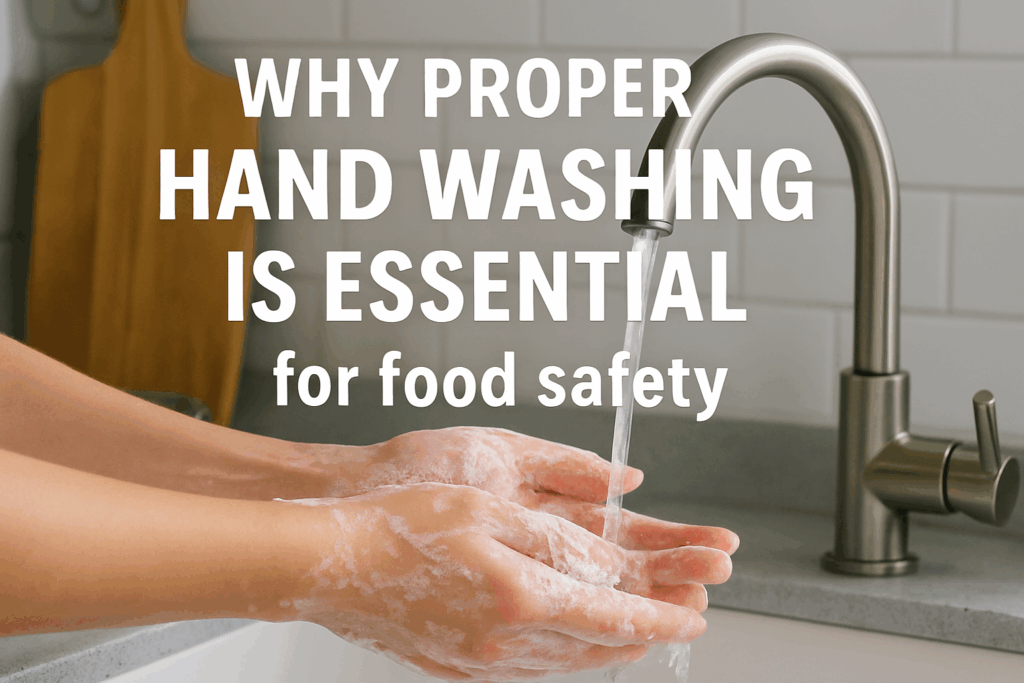
Your hands come into contact with countless surfaces throughout the day; door handles, phones, money, raw foods, cleaning products, and more that can contaminate them. Remember we cannot see germs, so even when your hands look clean, they can carry bacteria, viruses, and allergens that can easily transfer to food.
Proper hand washing helps prevent the spread of:
- Harmful bacteria like Salmonella, E. coli, and Listeria
- Viruses such as norovirus and hepatitis A
- Cross-contamination between raw and ready-to-eat foods
- Unintentional allergen transfer
This simple act of hand washing protects not only the person preparing food but everyone who eats it. The key here is proper hand washing, not quick or hasty, but properly for about 20 seconds.
When to Wash Your Hands?
To protect yourself and your family, wash your hands regularly at the right times:
- Before starting food preparation
- After touching raw meat, poultry, seafood, or eggs
- After using the restroom
- After coughing, sneezing, or touching your face
- After putting your hand in your mouth or hair
- After handling garbage or dirty dishes
- After touching your phone or other personal items
- After changing Diapers or caring for the sick
- After handling cleaning chemicals
- Anytime your hands may have become contaminated
If in doubt, wash your hands!
How to Wash Your Hands Properly
True food-safe hand washing involves more than a quick rinse. Follow these five simple steps:
- Wet your hands with clean, running water.
- Lather with soap, covering backs of hands, between fingers, and under nails.
- Scrub for at least 20 seconds.
- Rinse thoroughly under running water.
- Dry with a clean paper towel or air dryer.
In a food service setting, always use paper towels—never wipe hands on clothing or aprons.
Note: If soap and water are not available, use hand sanitizer with at least 60% alcohol and read the manufacturer’s label, or 5% chlorine solution (14 Table Spoon 5 % bleach to 20 liters of water).
The Power of a Small Habit to keep us safe
Proper hand washing significantly reduces the risk of foodborne illness outbreaks. According to public health agencies worldwide, improper hand washing is one of the leading causes of food contamination and food borne illness. By simply washing your hands correctly and regularly, you’re helping maintain a safer kitchen, reducing the spread of germs, and protecting yourself and the people you serve.
Although it seems basic, it plays a major role in food safety and public health. For 20 seconds of your time and little cost if any, it is a highly effective step that should be part of every kitchen routine. Whether at home or in a professional environment.
Clean hands help ensure clean, safe, and enjoyable meals, without regrets.
Ionie Ponde, MS, RD, LDN
B Food Savvy 
References
- How to wash your hands Version 1, CDC, https://www.cdc.gov/ebola/hcp/communication-resources/how-to-wash-hands-1.html