
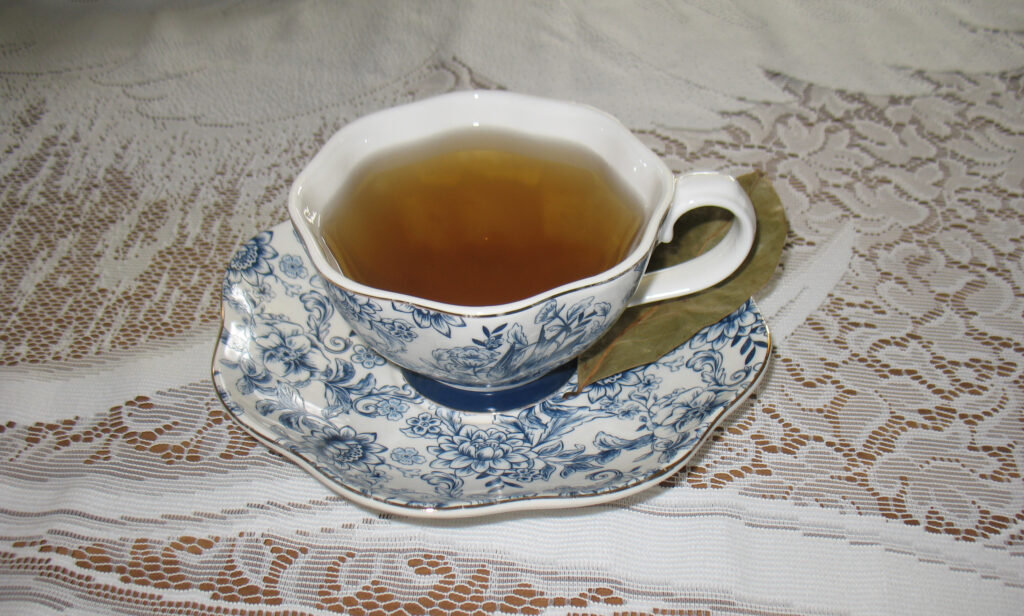
- The Bible tells us so:
a. Ezekiel 47:12 – “Near the river on both banks there will be all kinds of fruit trees, with foliage that will not wither and fruit that will never fail; each month they will bear a fresh crop because the water comes from the Temple. The fruit will be good to eat and the leaves will be used for healing. “
b. Revelation 22:2 – “ in the middle of the city are the trees of life producing fruit 12 times; once each month, the leaves of which are for healing the nations.”
- The use of plants for medical purposes is based on findings of hundreds and thousands of years. “The first records, written on clay tablets in cuneiform, are from Mesopotamia and date from about 2600 BC” such as oils extracted from the cedar tree.
- Traditional medicine systems worldwide, Chinese, Indian, Greek-Arabic, African, Australian and Central and South America etc. were based on the medical substances found in plants. Example for centuries people in India used the bishop’s weed plant leaves in tea to treat the common cold.
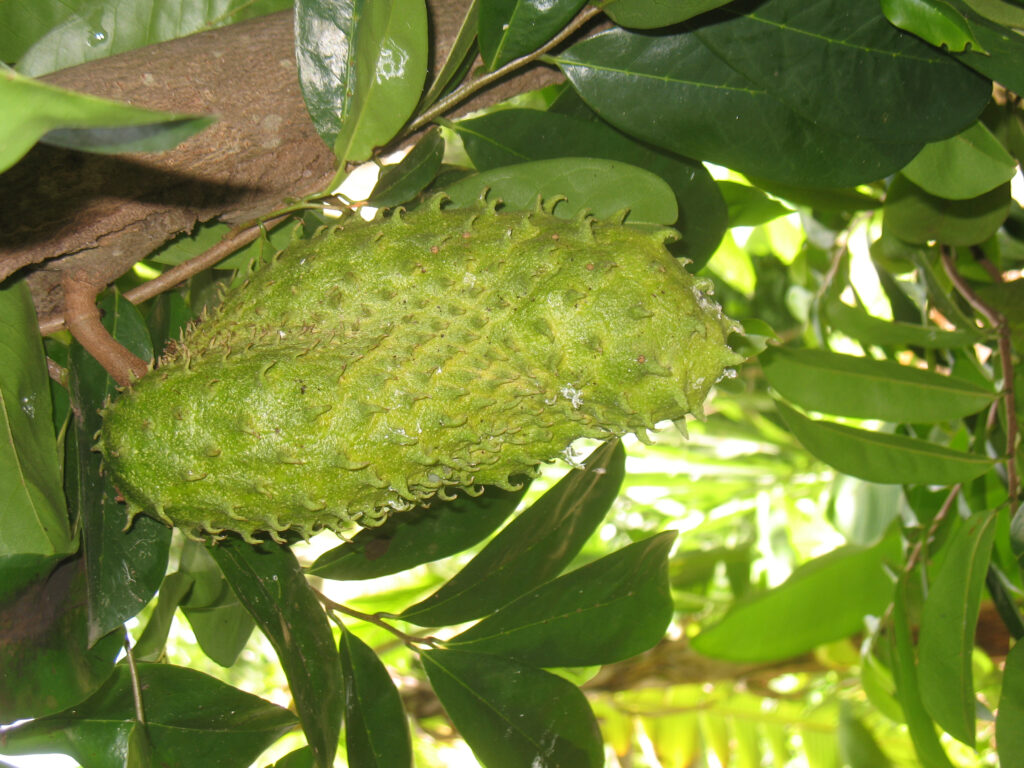
- People all over the world have used and are still using bush tea for what ails them e.g. In Brazil, Martinique, Mexico and Nicaragua soursop leaf tea is used for pain relief while in other areas such as, “Benin, the Caribbean and Cuba it is used to treat discomfort associated with colds, flu and asthma. In Montserrat it is used as a tranquilizer to induce sleep and said “to put a baby to sleep in 2 minutes “. Recently the leaf of the soursop tree is used for hypertension, diabetes and cancer.
- According to the WHO, 80% of the world’s population depend on medicines derived from plants.
- Approximately 25% of all medicines dispensed are formulated based on substances in plants or synthetic drugs that mimic the natural compounds in plants
- “During the last 40 years, at least a dozen potent drugs have come from flowering plants” and to date about 50 drugs have come from tropical plants”, such as a popular laxative brand with a similar name from the senna plant. Tea made from the senna leave was used as laxative in the Caribbean. “
- “Three of the major sources of anti-cancer drugs on the market or completing clinical trials were derived from North American plants used medicinally by Native Americans: The Papaw (Asimina spp.; the Western Yew Tree (Taxus brevifolia), effective against ovarian cancer and the Mayapple (Podophyllum peltatum) used to combat leukemia, lymphoma lung and testicular cancer.”
- Numerous scientific research conducted on plants reveal their usefulness in medicine. Example research conducted on the soursop reveal that it contains a wide variety of chemicals such as acetogenins, alkaloids, flavonoids antioxidant etc., that helps the body fights such diseases as cancer, ulcer, diabetes, diarrhea , inflammation, as well as support the immune system and promote sleep.
So, drink your bush tea, however, do so in moderation. Excessive amounts could hurt instead of help. If you are using bush tea to treat a disease, discuss its use with your medical provider. Chemicals in the tea leaf can interact negatively with prescribed medications. Watch out for allergies. The information provided above is for general knowledge and in no way constitute a medical prescription.
Ionie Ponde, MS, RD, LDN
B Food Savvy 
- Christian community Bible, Catholic Pastoral Edition, 39th Edition, Claretian Publications
- Ameenah Gurib-Fakim, February 2006, Medicinal plants: Traditions of yesterday and drugs of tomorrow, Molecular Aspects of Medicine, Medicine, Volume 27, Issue 1, , Pages 1-93, https://doi.org/10.1016/j.mam.2005.07.008
- PanelNeela Badrie , Alexander G. Schauss, 2010, Bioactive Foods in Promoting Health Fruits and Vegetables 2010, Pages 621-643, https://doi.org/10.1016/B978-0-12-374628-3.00039-6Get rights and content
- David Eric Brussell, Foreword by Richard Evans Schultes, 1997,Potions, Poisons, And Panaceas, An Ethnobotanical Study of Montserrat, Southern Illinois University Press
- Muhammad Afzaal, Farhan Saeed, Aasma Asghar, Yasir Abbas Shah, Ali Ikram, Huda Ateeq, Muzzamal Hussain, Chigozie E. Ofoedu, James S. Chacha, 30th August 2022, Nutritional and Therapeutic Potential of Soursop First published: 30 August 2022, Journal of food Quality, John Wiley and Sons on line library. https://doi.org/10.1155/2022/8828358