
Although any food can become contaminated, the foods most often involved in food borne illnesses provide a comfortable environment for harmful bacteria to flourish. They are moist, low in salt, low in sugar, low in acid and predominantly high protein foods. See examples below.
When these foods are kept at room temperature for long periods of time, harmful bacteria present grow and multiply by leaps and bounds to numbers that result in illness.
Foods such as :
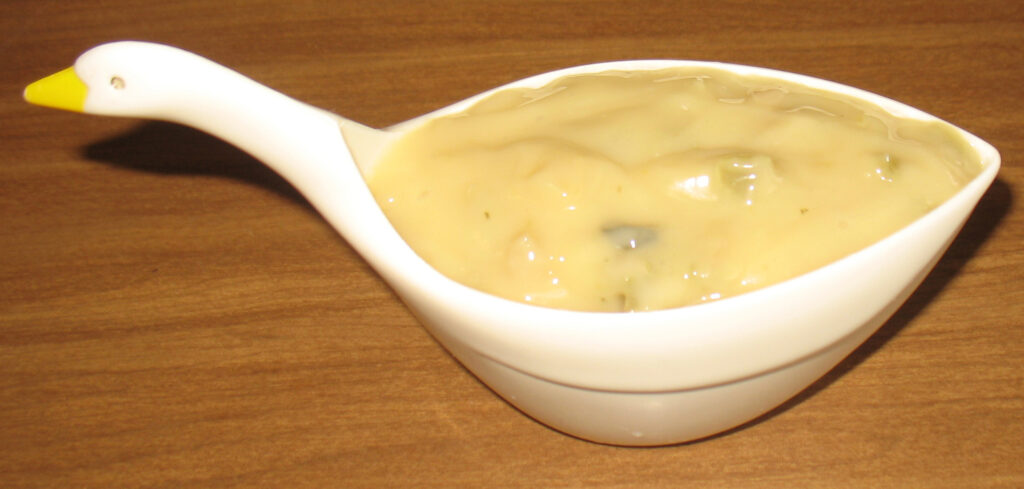
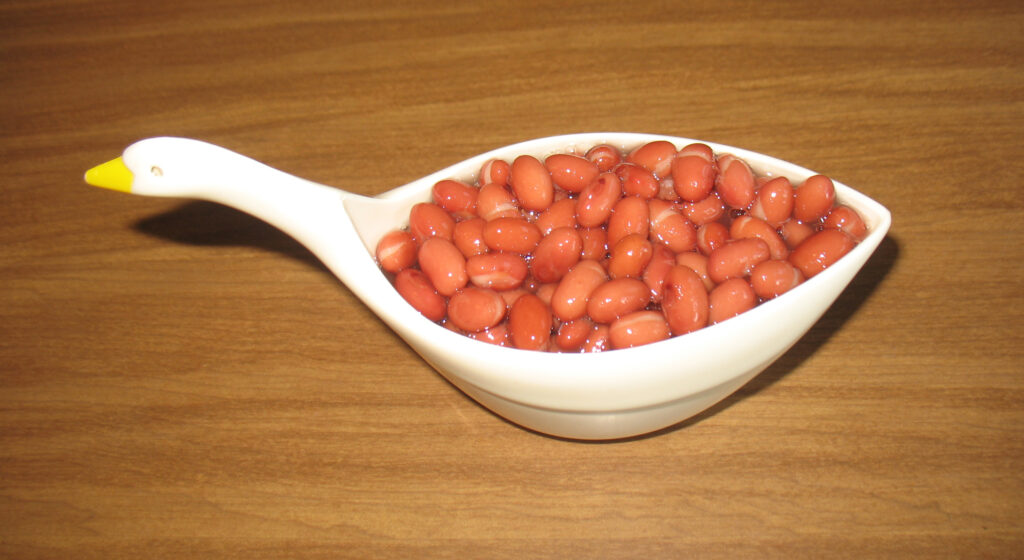
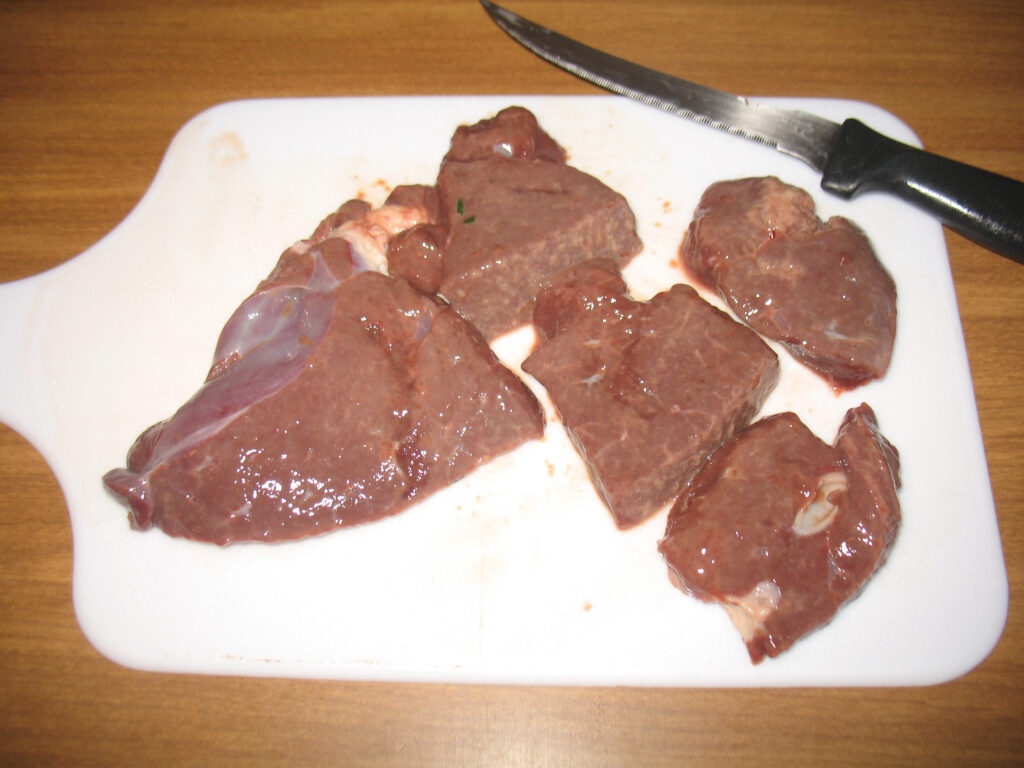
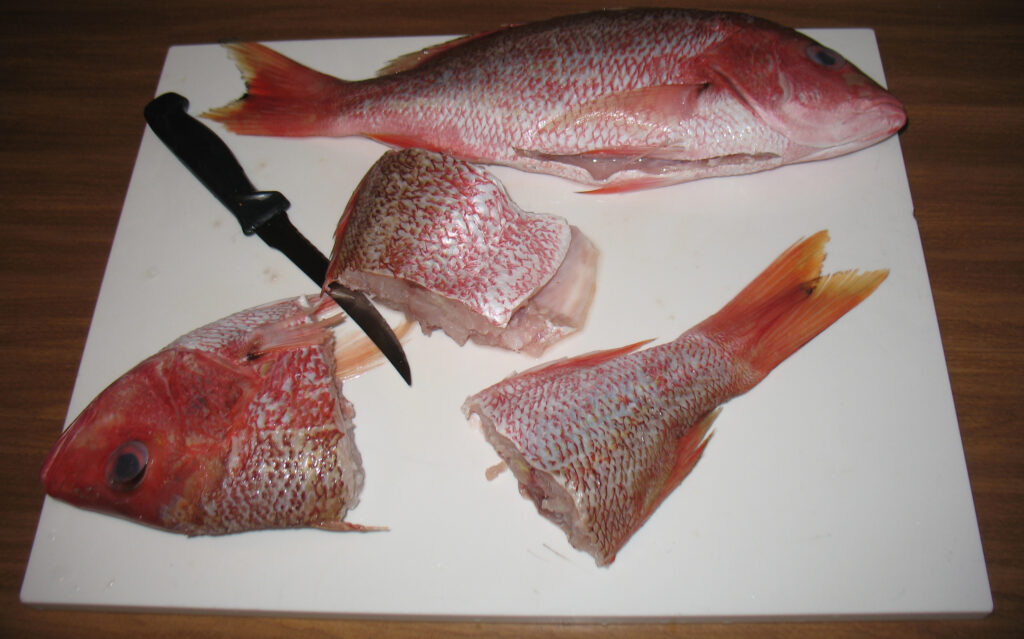
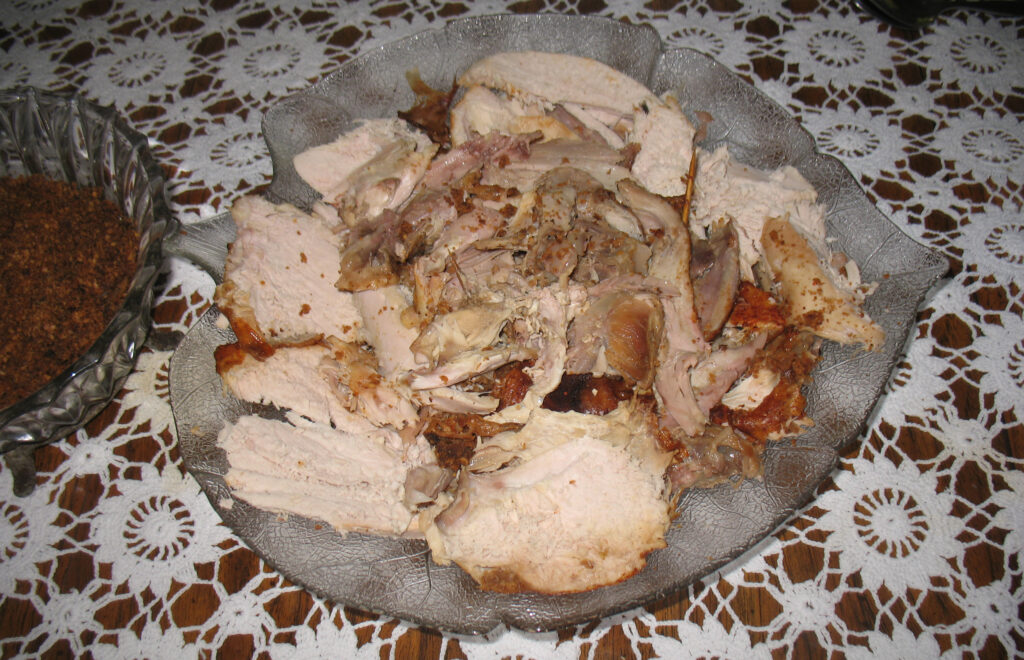
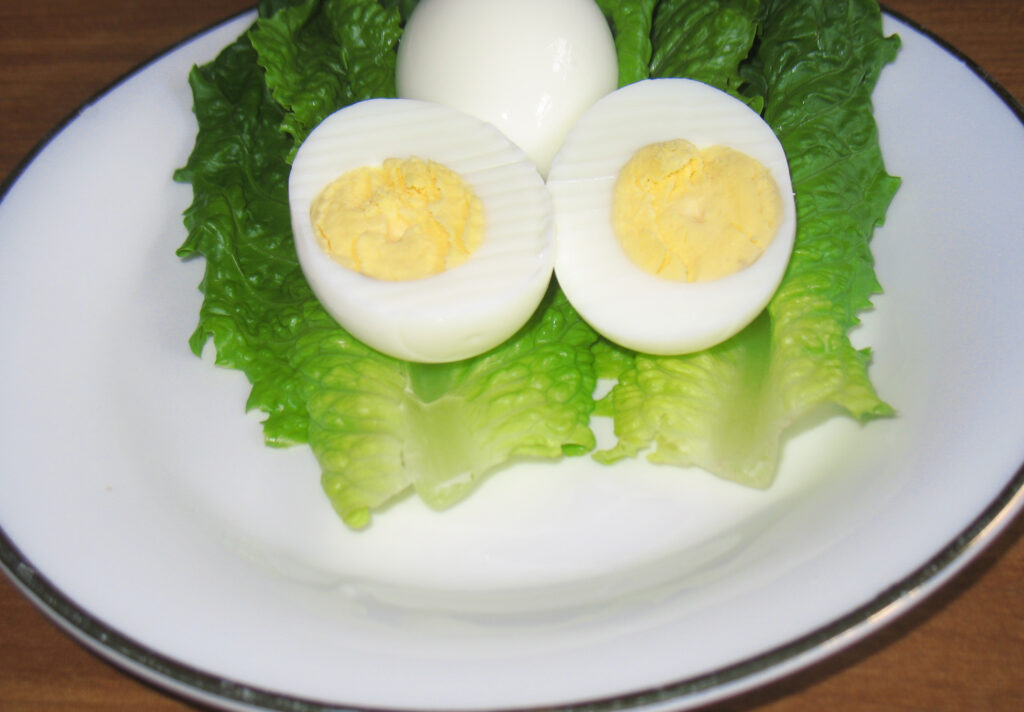
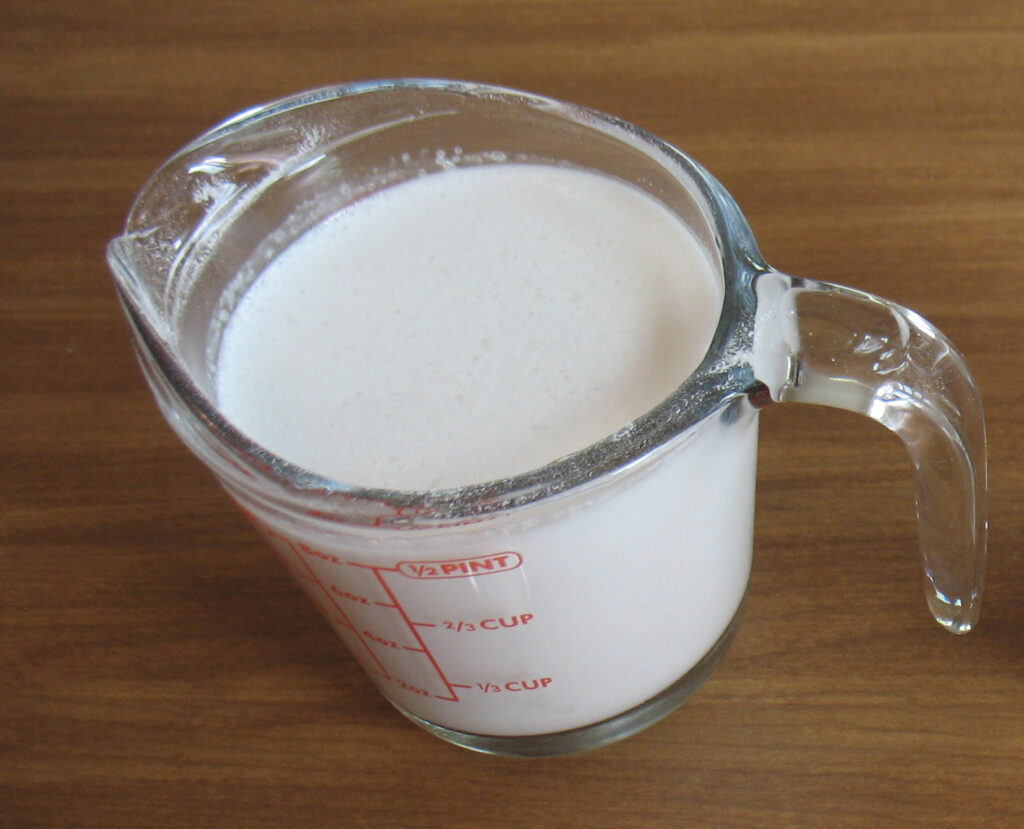
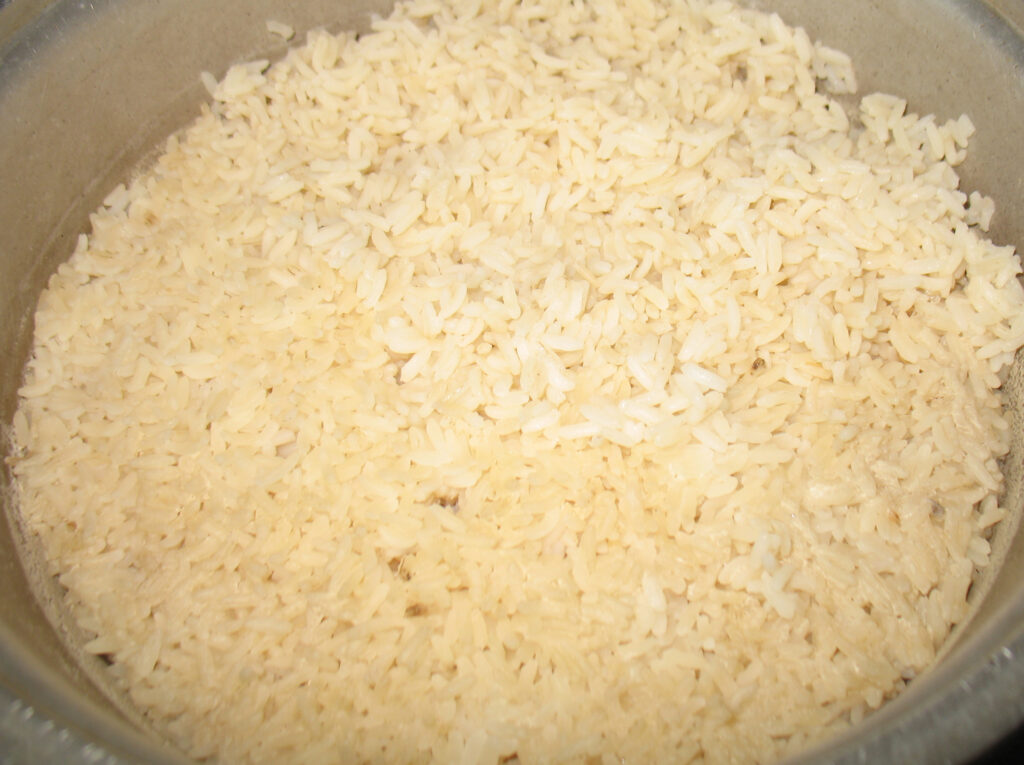
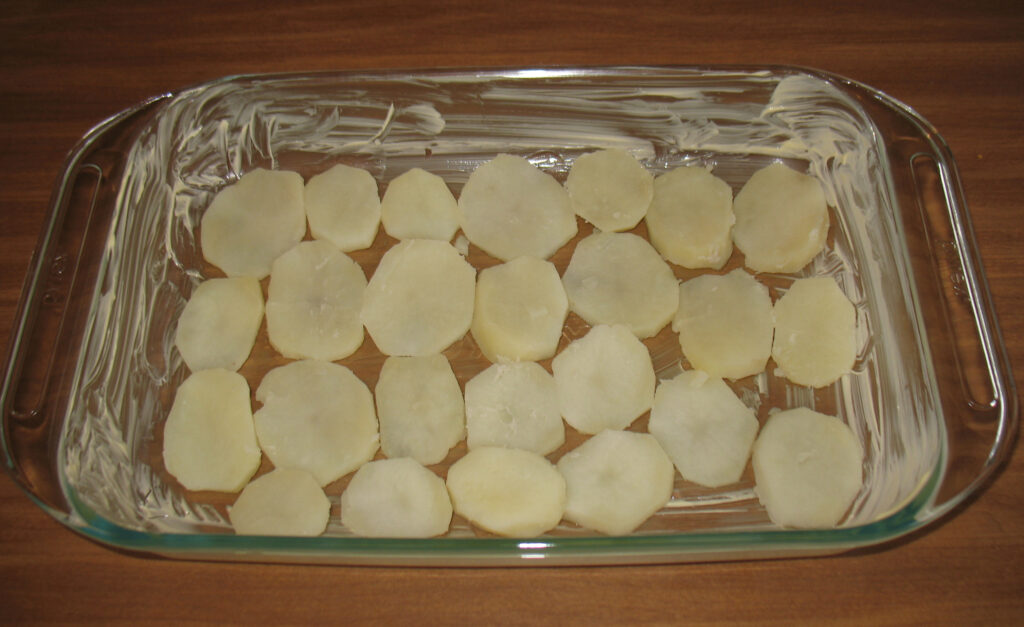

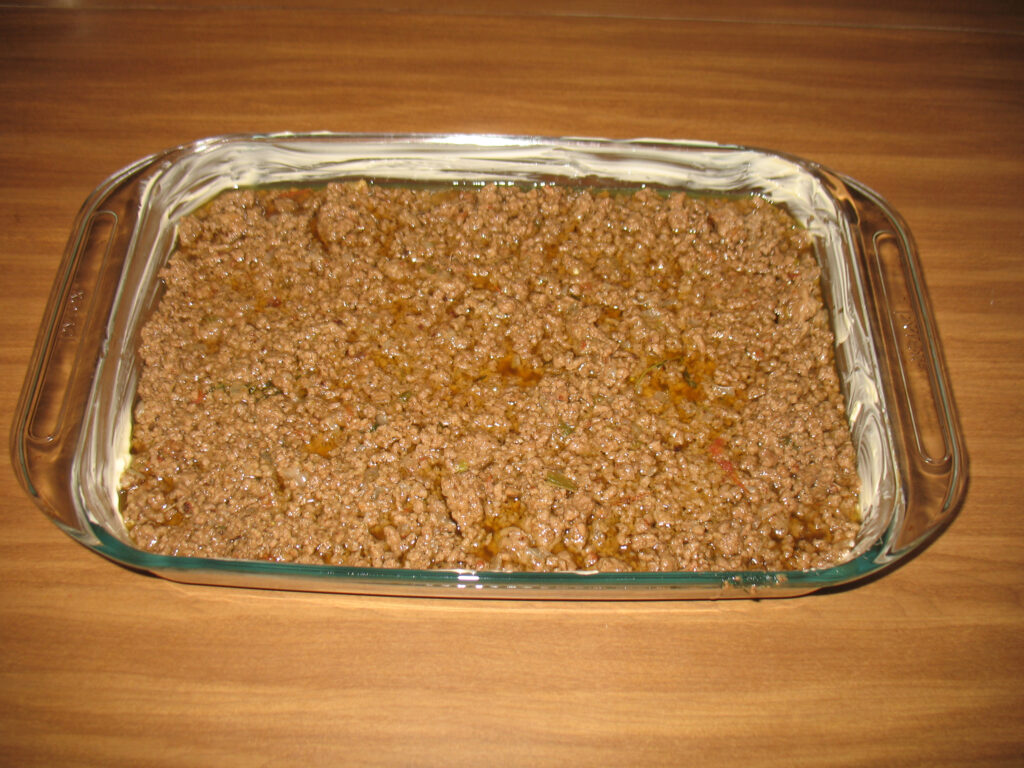
Harmful bacteria present in “vulnerable foods” left at room temperature for long periods of time double in number every 20 minutes resulting in approximately 1/4 of a million from one bacterium in 6 hours.
The first 20 minutes 1 bacterium double to 2 bacteria then in the next 20 minutes the 2 bacteria doubles to 4 bacteria, then the next 20 minutes the 4 bacteria doubles to 8 and so on reaching 262144 in 6 hours from one bacterium only as demonstrated below. Think how many more there can be as contaminated foods are likely to have many more than 1 bacteria present.
1, 2, 4, 8, 16, 32, 64, 128, 256, 512, 1024, 2048, 4096, 8192, 16384, 32768, 65536, 131072, 262144 after 6 hours.
Keep “Vulnerable Foods” refrigerated at 40 degrees Fahrenheit or below or hot at 140 degrees Fahrenheit or above to avoid food borne illness.
Ionie Ponde, MS, RD, LDN
B Food Savvy 
References
- Joyce Wilkins, MS, RD, Implementing HAACP, 4TH Edition, August 2010, Nutrition Dimensions, Gannett Education
- Food Service Sanitation, 4th Edition, 1992 The Educational Foundation of the National Restaurant Association, John Riley & Sons Inc.
- Mickey Parish, Chair Nutrition and Food Science Department, University of Maryland, February 21, 2006, How do salt and sugar prevent microbial spoilage? Scientific American, https://www.scientificamerican.com/article/how-do-salt-and-sugar-pre/?utm_source=chatgpt.com