A Light, Nutritious Vegetable with Big Health Benefits
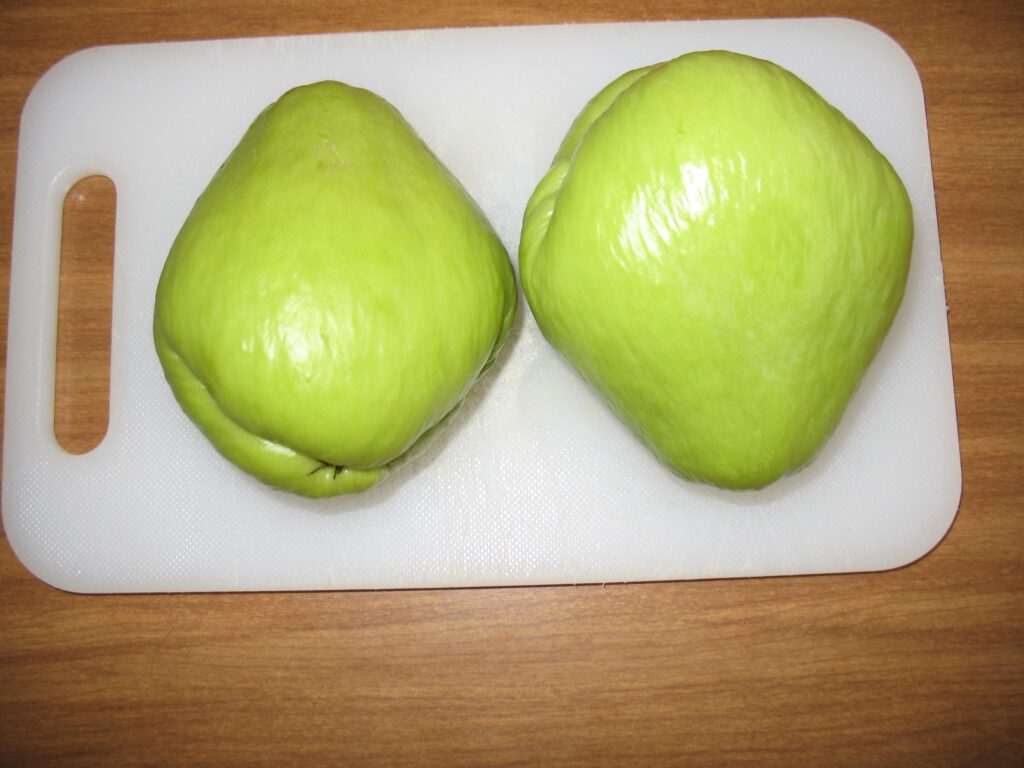
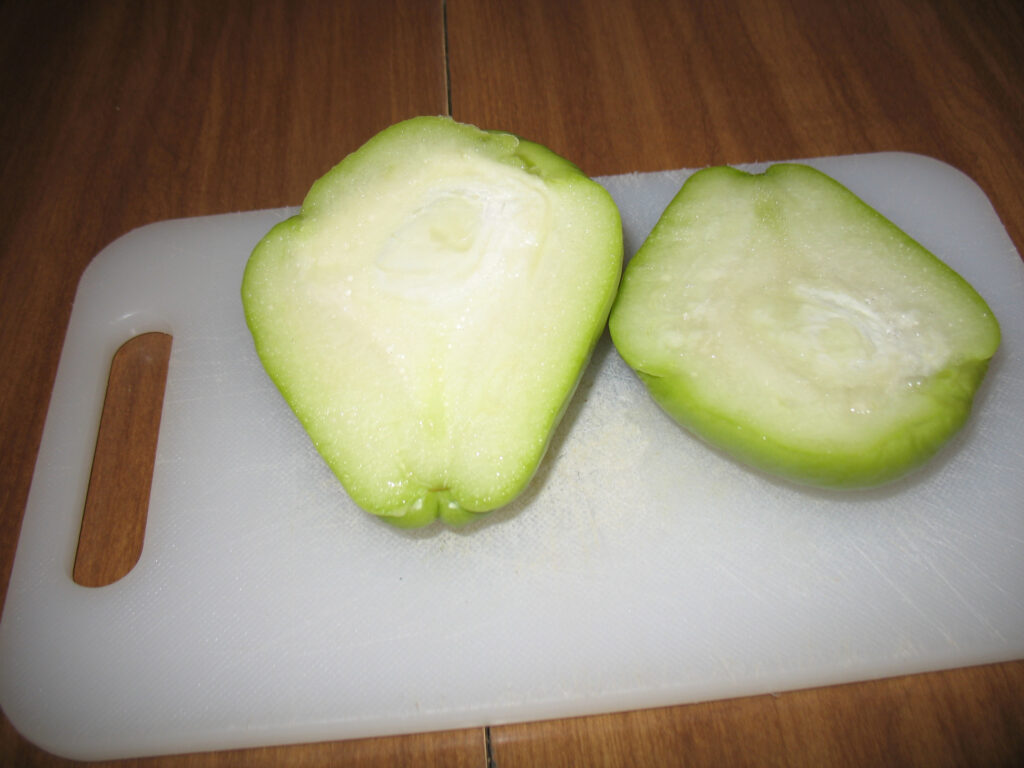
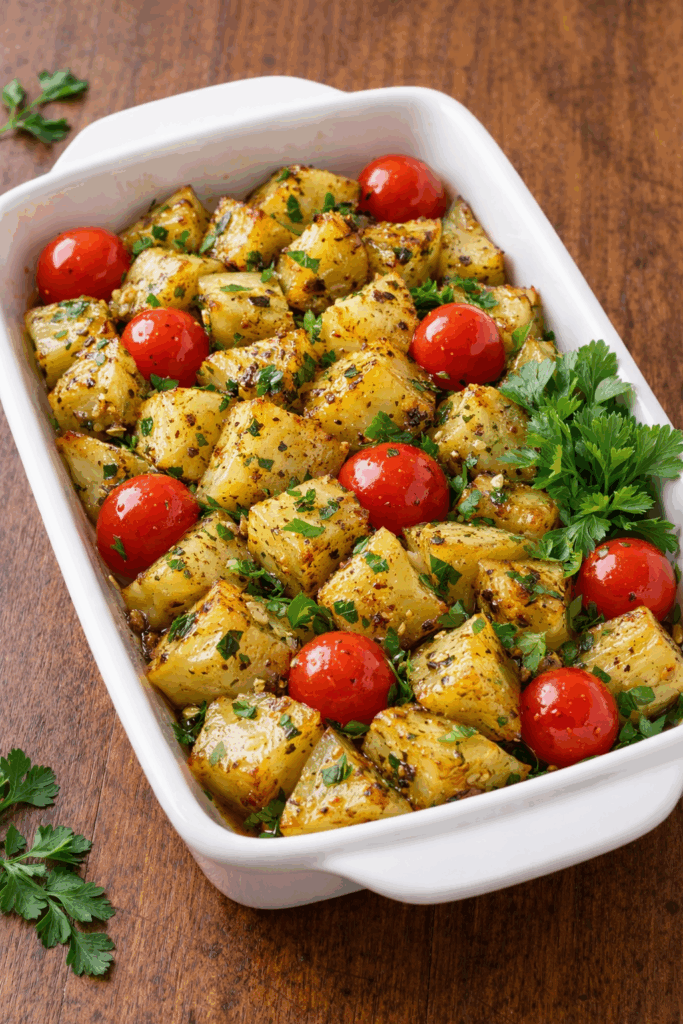
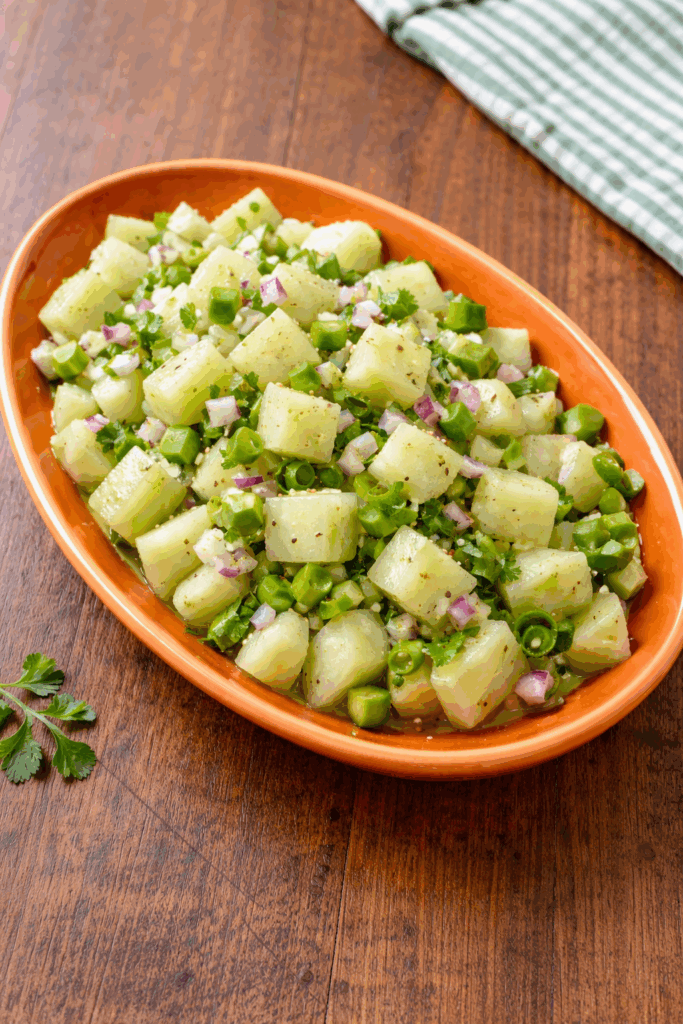
Roasted with Herbs and Spices and Salad with Onions, green onions, oil and Vinegar, salt & Pepper
Chayote also known as christophene, mirliton, or vegetable pear is a mild, crisp squash that deserves far more attention in everyday cooking. Popular in Caribbean, Latin American, and Asian cuisines, chayote is refreshing, versatile, and packed with nutrients while remaining low in calories.
If you’re looking for a vegetable that supports digestion, heart health, and weight management without overpowering your recipes, chayote is an excellent choice.
What Is Chayote (Christophene/Mirliton)?
Chayote (Sechium edule) is a member of the squash family. It has pale green skin, white flesh, and a subtle flavor often compared to cucumber or zucchini. Nearly the entire plant is edible: the fruit, skin, seed, shoots, and even the leaves.
Because of its neutral taste and crisp texture, chayote easily absorbs seasonings and pairs beautifully with both savory and lightly sweet dishes.
Nutritional Benefits of Chayote
1. Low in Calories, High in Nutrients
Chayote is naturally low in calories and carbohydrates, making it ideal for balanced eating plans and weight-conscious diets.
One cup of raw chayote provides approximately:
- Water 124g
- calories 25.1
- carbohydrates 5.95 g
- fiber 2.24g
- protein 1.08
- Vit C 10.2 mg
- Folate 123 UG
- Sodium 2.64 mg
- Fatty acids, total saturated 0.037g
- Fatty acids, total monounsaturated 0.013g
- Fatty acids. Total polyunsaturated 0.075g
2. Rich in Dietary Fiber
Chayote contains soluble fiber that:
- Supports digestion. Facilitate the movement of food and waste through the digestive system, thus preventing constipation and the painful consequences such as hemorrhoids.
- Helps regulate blood sugar levels Promotes fullness and satiety
This makes it a smart vegetable for gut health and metabolic balance.
3. Supports Heart Health
Chayote provides potassium and magnesium—minerals that help:
- Maintain healthy blood pressure
- Support proper muscle and nerve function
- Reduce strain on the cardiovascular system
Its fiber content also contributes to healthy cholesterol levels.
4. Provides Antioxidants
Chayote contains vitamin C and plant antioxidants that help:
- Protect cells from oxidative stress
- Support immune health
- Promote skin health and collagen formation
5. Naturally Hydrating
With a high-water content, chayote helps support hydration especially useful in warm climates or during active days.
Why Chayote Is Easy to Cook With
Chayote’s mild flavor and tender-crisp texture make it incredibly adaptable:
- Raw: Thinly sliced into salads or slaws
- Sautéed: With garlic, onions, and olive oil
- Boiled or Steamed: Added to soups and stews
- Roasted: For a lightly sweet, caramelized finish
- Stuffed: Baked with herbs, vegetables, or lean protein
It can replace zucchini, potatoes, or cucumbers in many recipes.
Is Chayote Healthy for Everyone?
For most people, chayote is gentle on digestion and easy to tolerate. It is:
- Naturally gluten-free
- Low in fat
- Low in sodium
Those with squash allergies should use caution, but adverse reactions are rare.
A Simple Vegetable Worth Adding to Your Plate
Chayote (christophene) may be understated, but its benefits are impressive. With its light flavor, impressive nutrient profile, and versatility in the kitchen, it’s a vegetable that fits seamlessly into healthy, everyday meals.
Whether you enjoy it raw, cooked, or creatively seasoned, chayote proves that simple foods can still be powerful.
Ionie Ponde , MS, Rd, LDN
B Food Savvy 
References
- USDA FoodData Central, https://fdc.nal.usda.gov/food-details/170402/nutrients
- Thomas M. Barber, Stefan Kabisch, Andreas F. H. Pfeiffer, Martin O. Weickert, October 21st, 2020, The Health Benefits of Dietary Fibre, Nutrients, PMCID: PMC7589116 PMID: 33096647
- Peter Cronin, Susan A. Joyce, Paul W. O’Toole, Eibhlís M. O’Connor, May 13th, 2021, Dietary Fibre Modulates the Gut Microbiota, Nutrients https://doi.org/10.3390/nu13051655
- National Institute of Health Office of Dietary Supplements https://ods.od.nih.gov/factsheets/list-all/
- James M Lattimer, Mark D Haub, December 15th, 2010, Effects of Dietary fiber and its Component on Metabolic Health, Nutrients, PMCID: PMC3257631 PMID: 22254008
- Lehlohonolo Makhakhe, July 14th, 2025, The role of vitamin C on the skin, S Afr Fam Pract (2004), doi: 10.4102/safp.v67i1.6098
- Sources of Gluten, Celiac Foundation Advocacy Breakthrough Cure, https://celiac.org/gluten-free-living/what-is-gluten/sources-of-gluten/#:~:text=Gluten%2DContaining%20Grains%20and%20Their,stuffings%2C%20dressings